How to Store 3D Printer Filament Dry in 2026

How to Store 3D Printer Filament Dry in 2026

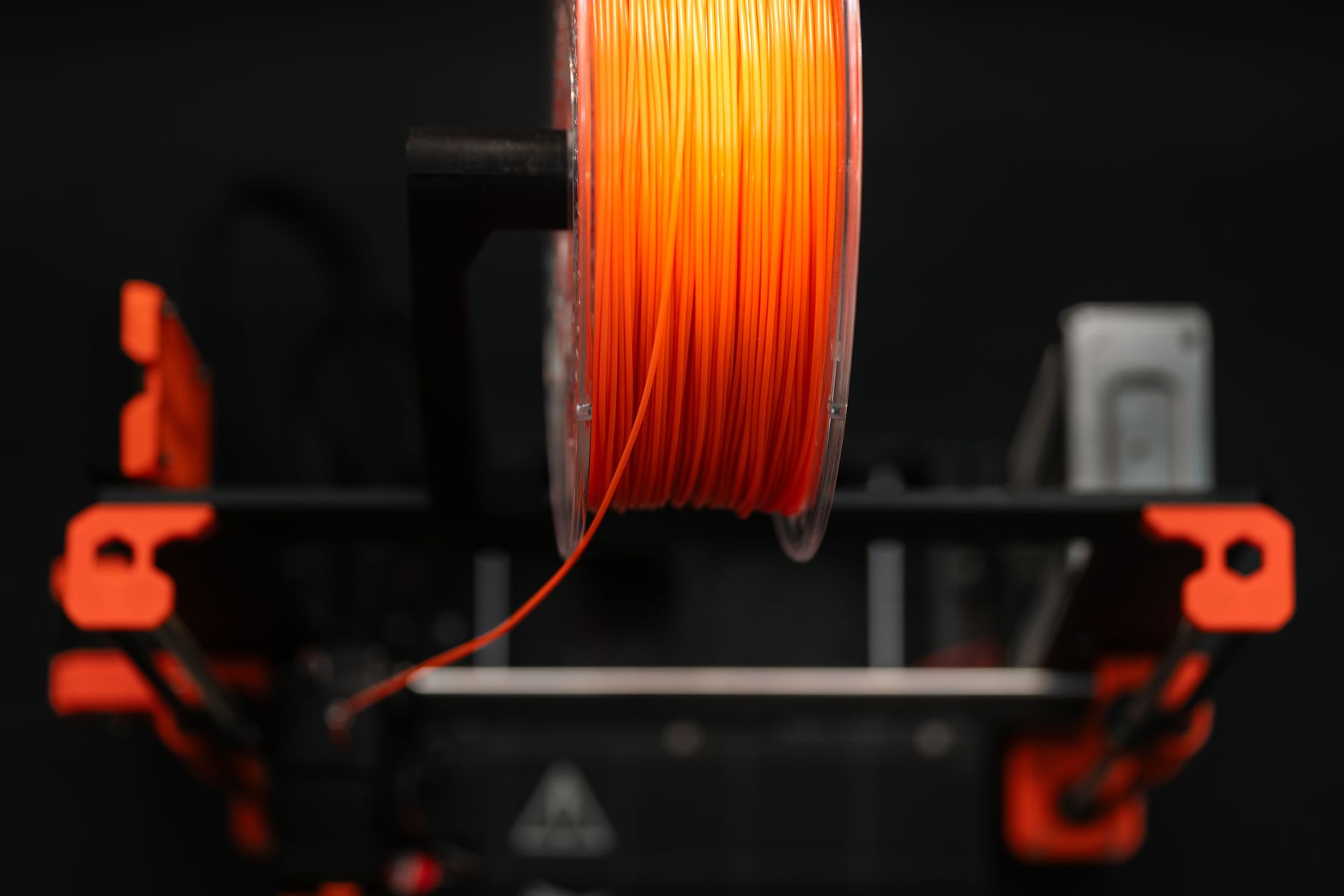
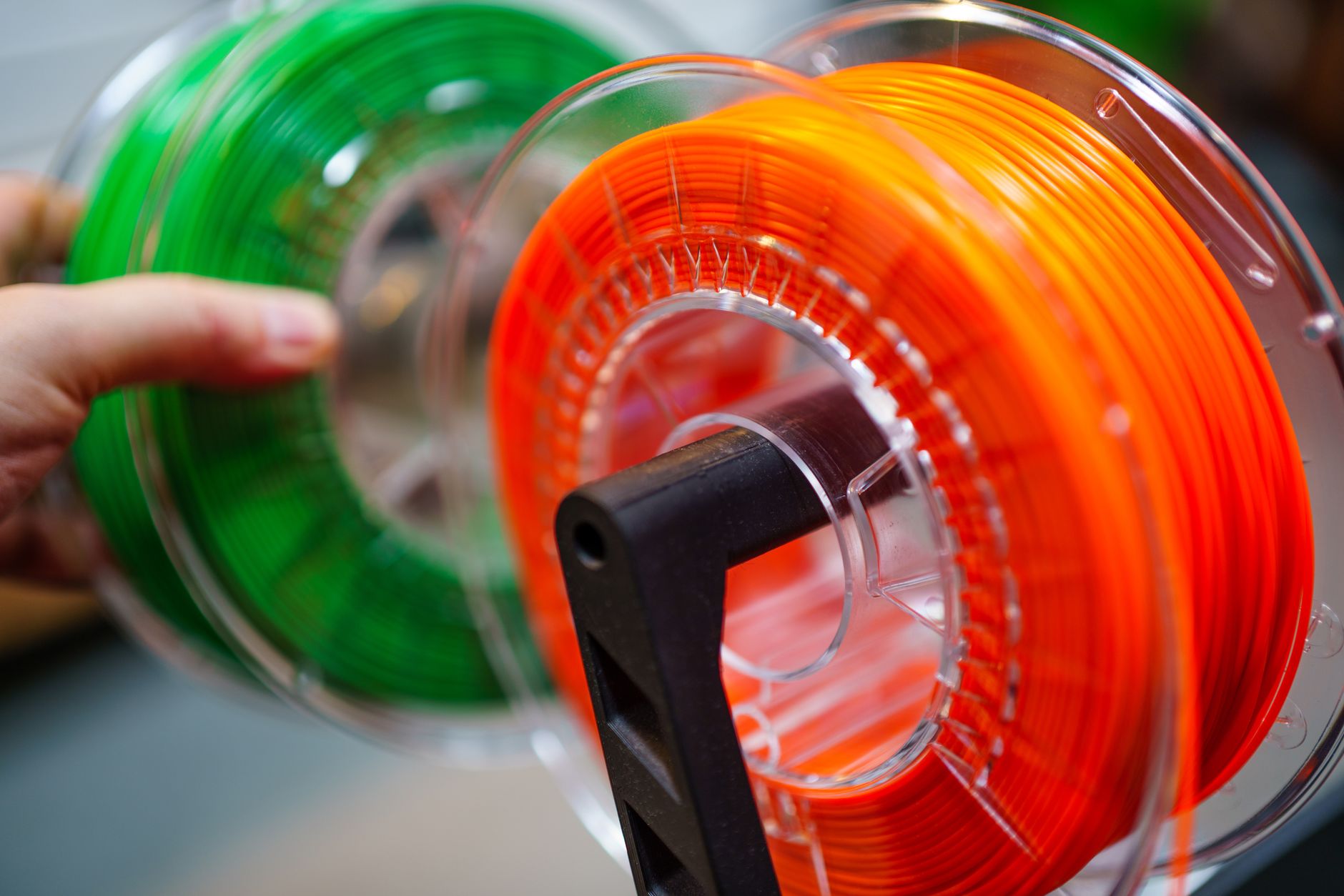
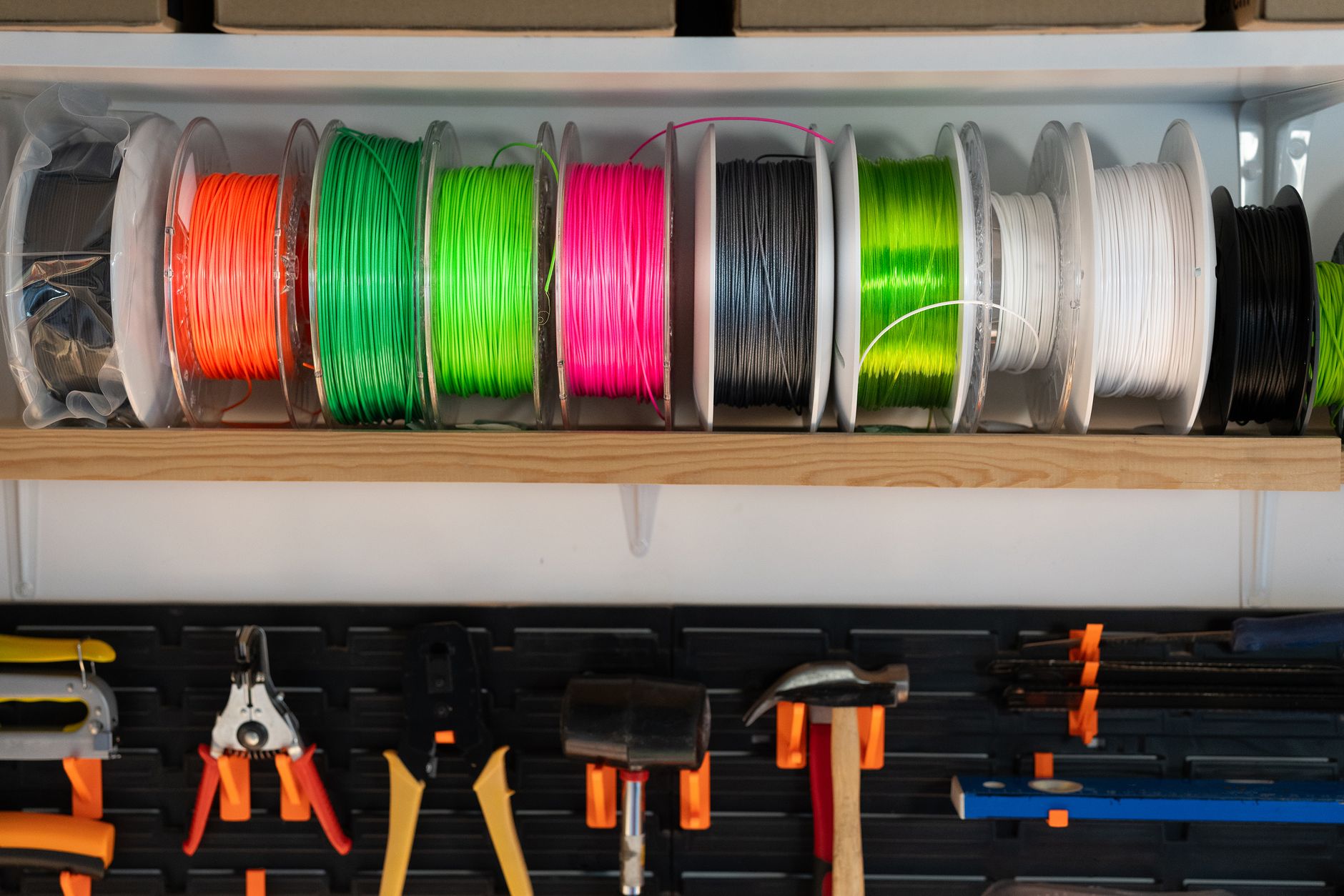
Quick Answer: Keep filament dry by storing spools in airtight containers with fresh desiccant. Keep relative humidity below 20 percent. Dry PLA at 45 to 50 Celsius for 4 to 6 hours before printing. A filament dryer helps. Wet filament causes stringing, popping, and weak layer adhesion. Wet filament is one of the most common causes of failed 3D prints. Many makers chase perfect bed leveling, read best 3d printer filament reviews, and upgrade nozzles before realizing the real problem is moisture. If you hear popping at the hotend or see stringy, rough surfaces, your filament has probably absorbed water from the air. The fix is not a new printer. It is a proper storage routine that keeps every spool dry from the moment you open it. Spools left on a shelf can degrade within days in humid climates, and wet plastic can ruin even the best machine. ...
August 14, 2026 · 10 min · Jarrod Gravison
3D Printing Materials Guide 2026: PLA to Carbon Fiber Complete

3D Printing Materials Guide 2026: PLA to Carbon Fiber Complete

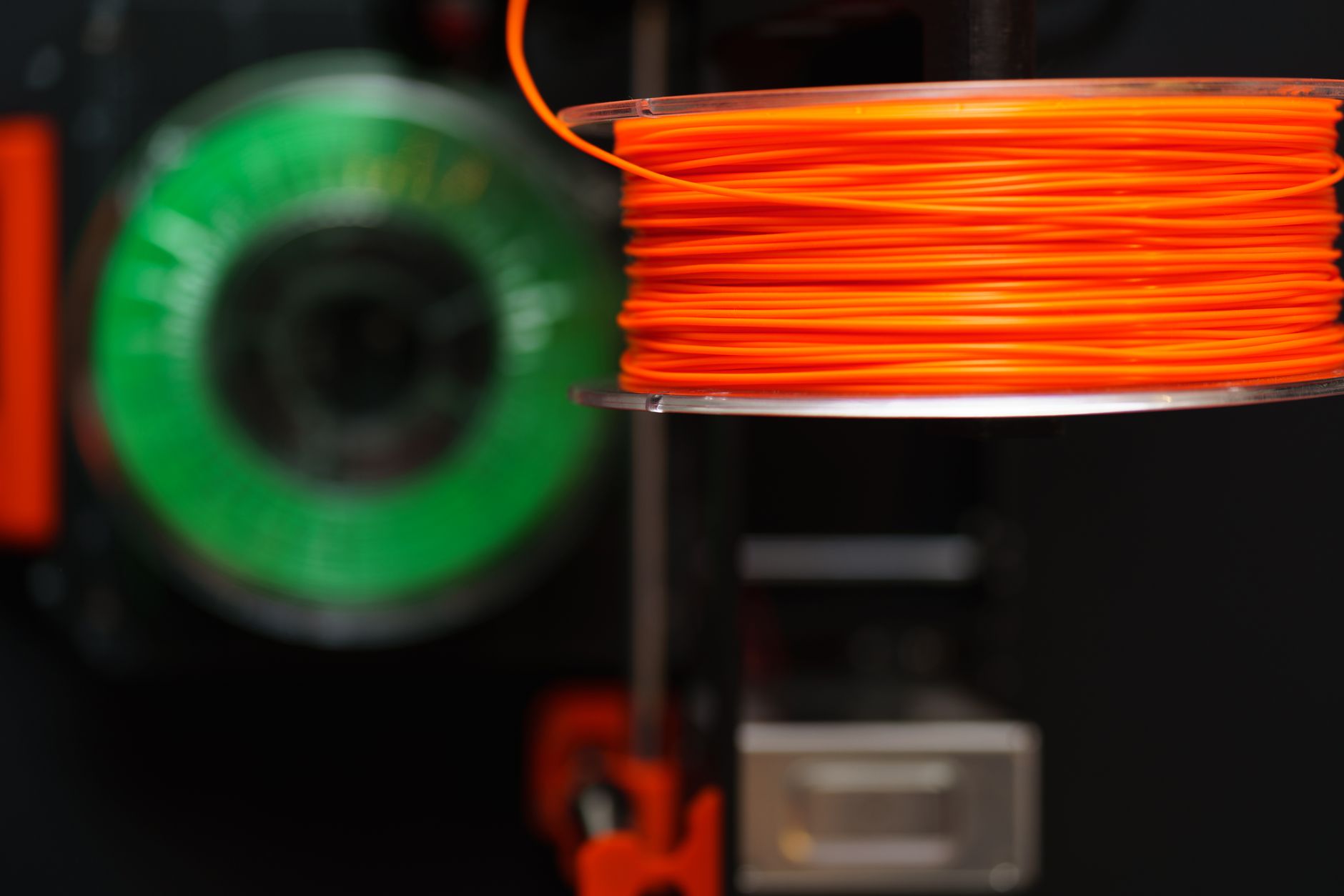
Quick Answer: Start with PLA for easy prints. Move to PETG when you need toughness and moisture resistance. Use ABS or nylon for heat and mechanical parts. Try carbon fiber filled filament for stiff, light components, but pair it with a hardened nozzle and dry storage. Choosing the right 3D printing material changes everything. The same model can be a fragile shelf decoration or a stiff, heat resistant functional part. In 2026, the filament aisle is deeper than ever. You now have easy PLA, tough PETG, flexible TPU, engineering nylon, and carbon fiber filled options. This guide walks through the full range from basic PLA to advanced carbon fiber composites. It gives print temperatures, real strength numbers, and storage rules. You will learn which material fits your next print. You will also learn which materials are worth the extra setup and which ones will clog a standard nozzle. Many beginners start with the cheapest spool. That choice can make the first week easier or much harder. This article helps you avoid common filament mistakes. ...

August 14, 2026 · 11 min · Jarrod Gravison
PLA vs PETG vs ABS: Which Filament to Use (2026 Guide)

PLA vs PETG vs ABS: Which Filament to Use (2026 Guide)

Quick Answer: For most beginners in 2026, PLA is the clear default. It prints at 190-220°C with no enclosure. PETG is the step-up choice for tougher, moisture-resistant parts. ABS remains useful for high heat and vapor smoothing, but it needs an enclosure and 90-110°C bed temps. Start with PLA unless you have a specific reason. Choosing between PLA, PETG, and ABS is the first real material decision most 3D printer owners face in 2026. All three spool-fed thermoplastics print on standard FDM machines, but they behave very differently at the nozzle, on the bed, and in your finished part. PLA prints cool and sticks easily. PETG adds toughness and chemical resistance. ABS pushes heat resistance further but demands a controlled environment. Our 3D printing materials guide covers the full spectrum, while this comparison digs into the three filaments you will actually consider first. ...

August 14, 2026 · 10 min · Jarrod Gravison
Best 3D Printer Filament Brands 2026: 6 Tested & Compared

Best 3D Printer Filament Brands 2026: 6 Tested & Compared

Quick Answer: Hatchbox PLA remains the best all-around filament brand for most printers in 2026. Prusament wins on dimensional accuracy and color consistency. Polymaker PolyLite PLA is the best budget workhorse. Bambu Lab PLA Basic prints fastest with AMS. eSUN PLA+ offers extra toughness. Overture is the best cheap starter filament with reliable bed adhesion. Filament brand matters more than most newcomers expect. Two spools of PLA can both say 1.75mm on the label, yet one jams every third print and the other runs for weeks without a clog. We have tested more than 40 spools since 2023. In this 2026 guide we narrowed the field to six brands that consistently produced clean prints on open-frame and enclosed machines. The right filament also reduces failed prints, which saves time and money. Our 3D printing materials guide explains the core material types if you are still deciding between PLA, PETG, and ABS. We update this list every year. ...

August 14, 2026 · 11 min · Jarrod Gravison