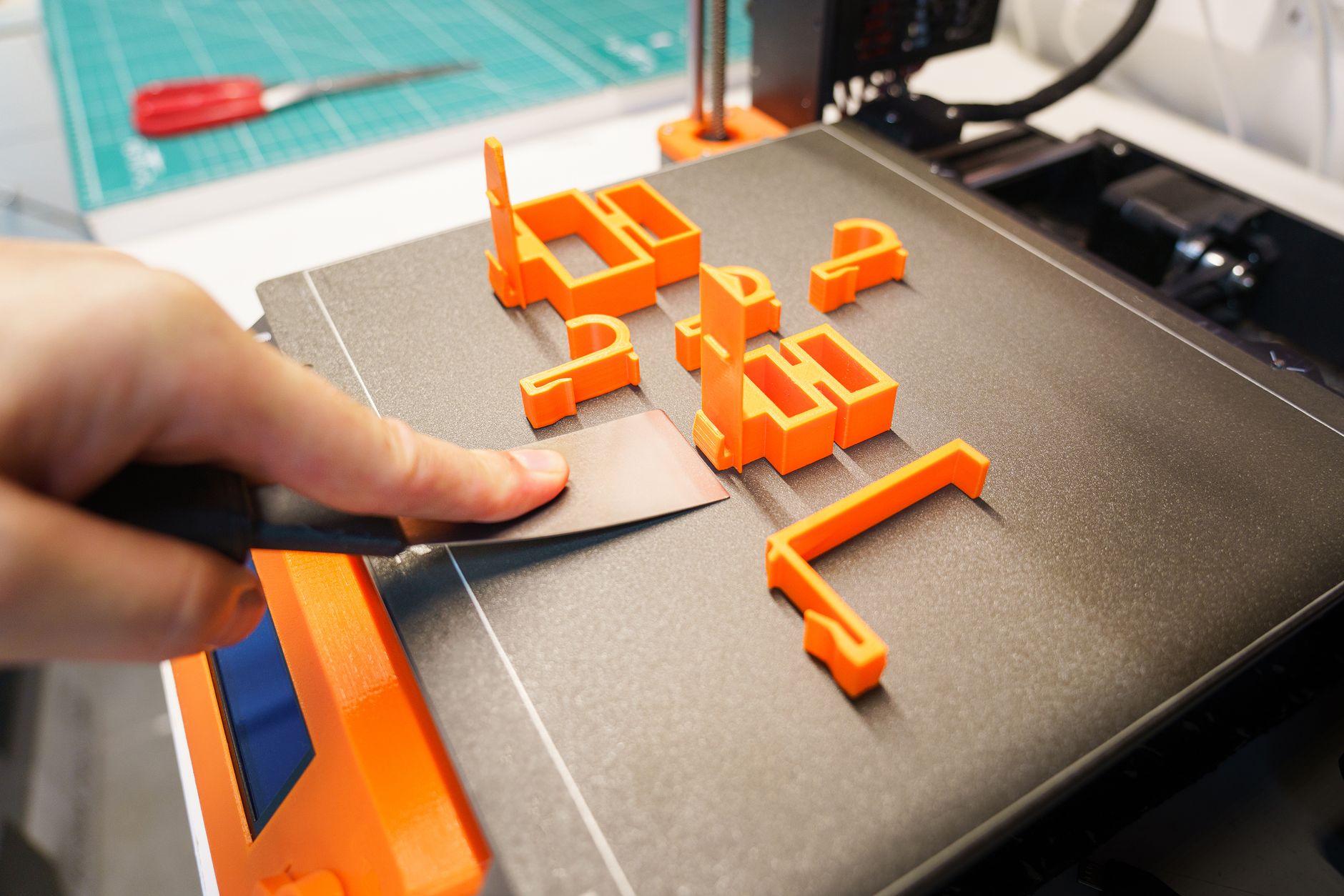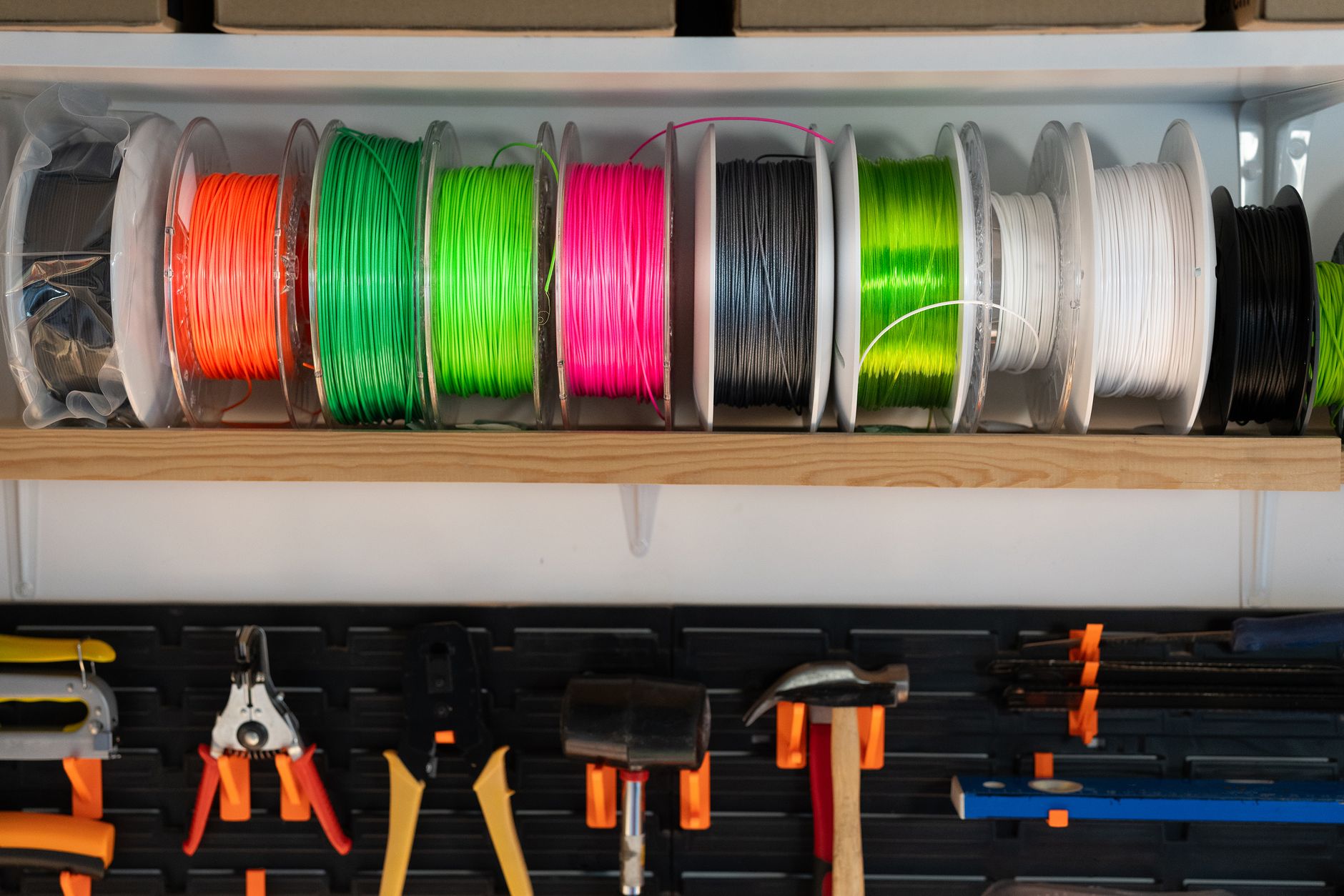
Choosing between PLA, PETG, and ABS is the first real material decision most 3D printer owners face in 2026. All three spool-fed thermoplastics print on standard FDM machines, but they behave very differently at the nozzle, on the bed, and in your finished part. PLA prints cool and sticks easily. PETG adds toughness and chemical resistance. ABS pushes heat resistance further but demands a controlled environment. Our 3D printing materials guide covers the full spectrum, while this comparison digs into the three filaments you will actually consider first.
This guide uses temperature, warping, strength, and real-world print requirements instead of lab numbers. We pulled baseline settings from Simplify3D’s materials guide and current printer references from Bambu Lab. A 1kg spool of any of these materials costs between $18 and $35 in 2026, so price is rarely the deciding factor. The real question is what happens after the print leaves the bed.
Your printer also matters more than the filament. A $200 budget machine may handle PLA easily but fail at ABS. If you have not bought a printer yet, check our best budget 3D printers and best 3D printers 2026 roundups before you commit. PLA and PETG work on open-frame printers, but ABS and ASA need a stable, warm chamber.
We tested updated 2026 settings on direct-drive and Bowden machines. Speeds range from a conservative 40mm/s for ABS to 200mm/s for PLA on high-flow hotends. The numbers below are starting points, not gospel. Your spool label, slicer profile, and room temperature can shift the ideal temperature by 5-10°C. Always print a temperature tower before committing to a full model.
How Do the Top Options Compare?
| Filament | Best For | Nozzle Temp | Bed Temp | Typical Price/kg |
|---|---|---|---|---|
| PLA | Prototypes, minis, beginners | 190-220°C | 45-60°C | $18-$25 Check PLA filament on Amazon |
| PLA+ / Tough PLA | Stronger functional prototypes | 200-230°C | 50-65°C | $20-$30 Check PLA plus filament on Amazon |
| PETG | Functional parts, brackets, printer upgrades | 230-250°C | 70-85°C | $20-$28 Check PETG filament on Amazon |
| ABS | High heat, vapor smoothing, enclosures | 230-250°C | 90-110°C | $18-$26 Check ABS filament on Amazon |
| ASA | Outdoor parts, UV resistance | 240-260°C | 90-110°C | $25-$35 Check ASA filament on Amazon |
Typical 1kg spool prices for 2026. Nozzle and bed temps are starting ranges. Some high-flow printers can run PLA faster than listed.
1. PLA , Best for Beginners, Prototypes, and Miniatures
PLA is still the default filament in 2026, and for good reason. It prints at 190-220°C with a bed temperature of 45-60°C. That low heat requirement means you can run PLA on almost any printer, including open-frame budget models. Most material references list PLA as the easiest material to print, with minimal warping and no enclosure needed.
For minis and detailed models, PLA holds crisp details and sands reasonably well. It does not need a heated bed, though a 45-60°C bed improves first layer adhesion. If you are printing small parts on a textured or smooth PEI sheet, check our 3D printer bed adhesion guide before you change settings. A reliable 1kg spool like Check the Hatchbox PLA on Amazon usually costs about $20 to $25.
The downside is heat. PLA softens around 50-60°C, so a hot car dashboard can destroy a print in minutes. It also has lower impact resistance than PETG or ABS. For most desk toys, prototypes, and painted models, that does not matter. But do not use PLA for load-bearing brackets or outdoor parts.
Key strengths:
- ✅ Prints at 190-220°C with no enclosure
- ✅ Excellent detail and layer adhesion
- ✅ Low price, typically $18-$25 per 1kg
- ✅ Best material for beginners and minis
- ❌ Softens around 50-60°C
- ❌ Poor UV and moisture resistance
- ❌ Not suited for high impact or structural use
Who it’s for: Choose PLA if you are starting out or need easy, detailed, affordable prints.
2. PLA+ / Tough PLA , Best for Stronger Prototypes with PLA Ease
PLA+ is a modified PLA with impact modifiers and often a higher print temperature of 200-230°C. Brands like eSun PLA+ print almost as easily as standard PLA but deliver noticeably better ductility. That makes PLA+ a smart middle ground for functional prototypes that will be handled or snapped together.
Expect a bed temp of 50-65°C and minimal warping. You still do not need an enclosure. Layer adhesion is generally stronger than standard PLA, but the material can string a little more at the higher end of the temperature range. A spool typically costs $20 to $30, so it remains a budget choice.
The tradeoff is that PLA+ is still PLA at its core. It softens in a hot car and does not belong outdoors. Choose it when you want a bit more toughness without moving to PETG or ABS.
Key strengths:
- ✅ Higher impact resistance than standard PLA
- ✅ Prints at 200-230°C with no enclosure
- ✅ Good dimensional accuracy for snap-fit prototypes
- ✅ Affordable at $20-$30 per 1kg
- ❌ Still heat sensitive like PLA
- ❌ Some brands string more than standard PLA
- ❌ Slightly higher cost than basic PLA
Who it’s for: Choose PLA+ when you want PLA ease with extra toughness for functional prototypes.
3. PETG , Best for Functional Parts and Moisture Resistance
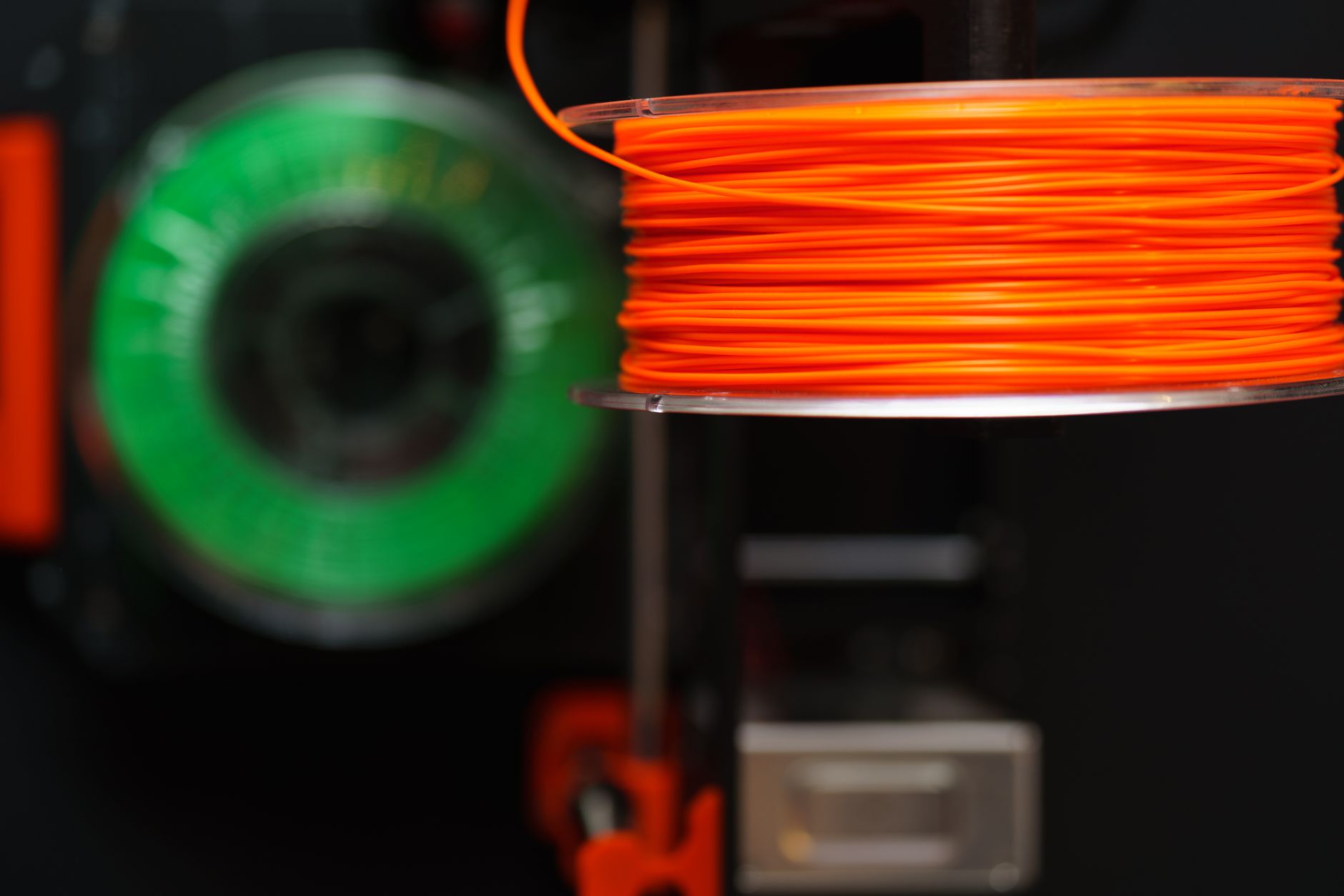
PETG is the practical upgrade from PLA in 2026. It prints at 230-250°C with a bed temperature of 70-85°C. The higher temps mean you need a heated bed, but most budget printers built after 2023 handle that easily. PETG has much better heat resistance than PLA, and it holds up to humid environments without becoming brittle.
Layer adhesion is strong. PETG parts can flex before breaking, which makes the material ideal for brackets, drone frames, and printer upgrades. It also resists moisture better than PLA, but it still absorbs water over time. If you store spools in a damp room, read our filament storage guide before printing. A reliable spool like Check the Overture PETG on Amazon costs around $20 to $28.
PETG has downsides. It strings more than PLA, especially on Bowden setups. It can also bond too aggressively to PEI sheets, so use a release agent or glue stick on smooth surfaces. With direct-drive printers and properly dried filament, most stringing is manageable. PETG does not require an enclosure, though one helps on very large parts.
Key strengths:
- ✅ High impact and chemical resistance
- ✅ Prints at 230-250°C with a 70-85°C heated bed
- ✅ Better heat resistance than PLA
- ✅ Lower moisture sensitivity than PLA
- ❌ Prone to stringing, especially with wet filament
- ❌ Can bond too strongly to smooth PEI
- ❌ Needs higher nozzle temperatures than PLA
Who it’s for: Choose PETG for functional brackets, outdoor-adjacent parts, and anything that will be handled often.
4. ABS , Best for High Heat and Vapor Smoothing
ABS is the legacy workhorse for high heat and tough parts. It prints at 230-250°C, but the bed must be 90-110°C and the chamber should stay warm. Without an enclosure, ABS warps and splits between layers. Budget open-frame printers struggle with ABS no matter how much glue stick you use.
Once printed, ABS has excellent heat resistance. It can survive boiling water and car interior temperatures, and it can be smoothed with acetone vapor for a finished look. That makes ABS popular for automotive brackets, printer frames, and cosmetic props. Prusa’s material reference lists enclosed printers and heated beds as requirements for reliable ABS prints. If you are serious about ABS, consider an enclosed 3D printer with active chamber heating.
ABS also emits styrene fumes. Print in a ventilated room or use an enclosure with a filter. The material is not beginner friendly, but for certain high heat or chemical resistance jobs, it is still the right choice.
Key strengths:
- ✅ High heat resistance, survives boiling water
- ✅ Can be acetone vapor smoothed
- ✅ Strong and machinable after printing
- ✅ Good for automotive and high-wear parts
- ❌ Requires an enclosure and 90-110°C bed
- ❌ Emits unpleasant fumes while printing
- ❌ Warps and splits without stable ambient heat
Who it’s for: Choose ABS if you need high heat resistance or vapor smoothing and have an enclosed, ventilated printer.
5. ASA , Best for Outdoor and UV-Exposed Parts
ASA is ABS with better UV resistance. It prints at 240-260°C with a 90-110°C bed, so it also requires an enclosure. The main advantage is that ASA does not yellow or become brittle in sunlight the way ABS does. Outdoor sensor mounts, garden fixtures, and car parts benefit from ASA.
ASA warps slightly less than ABS, but it still needs warm, draft-free conditions. Some ASA filaments produce less odor than ABS, but you should still ventilate. A spool costs about $25 to $35, a small premium over ABS for much better outdoor durability.
Choose ASA when you need ABS-like heat resistance plus UV stability. It is not a beginner material, but it fills the outdoor engineering niche that PLA and PETG cannot match.
Key strengths:
- ✅ Excellent UV and weather resistance
- ✅ High heat resistance like ABS
- ✅ Less warp than ABS on many printers
- ✅ Good for outdoor car and garden parts
- ❌ Requires enclosure and high bed temps
- ❌ More expensive than ABS or PETG
- ❌ Emits fumes, needs ventilation
Who it’s for: Choose ASA for outdoor parts that must survive sun, rain, and heat.
Frequently Asked Questions
Which is stronger, PETG or ABS?
ABS has higher heat resistance and can be vapor smoothed, but PETG is tougher in layer adhesion and impact tests for many parts. For general mechanical use, PETG is easier and less likely to warp.
Can I print ABS without an enclosure?
You can get small ABS parts to stick with a warm room, glue stick, and a draft shield, but an enclosure is highly recommended. ABS warps without stable ambient heat.
Is PETG food safe?
PETG filament itself is often food contact safe, but 3D printed layer lines create bacteria traps. Do not rely on raw PETG prints for food without a food-safe coating.
Which filament is best for outdoor parts?
ASA is the best choice for outdoor UV resistance. PETG works for many outdoor parts, but it can degrade over years of sun exposure. ABS will yellow and become brittle outdoors.
Does PLA melt in a hot car?
Yes. PLA can soften and deform around 50-60°C. PETG and ABS hold shape much better in hot car interiors.
What is the easiest filament to print?
PLA is the easiest filament for most printers. It prints at low temperatures, sticks to unheated beds, and does not require an enclosure.
What Should You Remember?
- PLA: Use PLA for prototypes, cosplay, and beginners. It is the easiest and cheapest filament.
- PETG: Choose PETG for functional brackets, printer parts, and anything that needs moisture or impact resistance.
- ABS: Pick ABS only when you need high heat resistance or acetone smoothing and have an enclosure.
- Bed temps: PLA needs 45-60°C, PETG 70-85°C, and ABS 90-110°C. Use a heated bed and correct surface.
- Enclosure: ABS and ASA require an enclosure. PLA and PETG do not.
- Storage: Dry PETG and ABS before printing. Moisture causes stringing, bubbles, and weak layer bonding.
This article is for general information only. Always follow your printer manufacturer’s guidelines and material safety data sheets (MSDS) for safe operation.