Choosing the right 3D printing material changes everything. The same model can be a fragile shelf decoration or a stiff, heat resistant functional part. In 2026, the filament aisle is deeper than ever. You now have easy PLA, tough PETG, flexible TPU, engineering nylon, and carbon fiber filled options. This guide walks through the full range from basic PLA to advanced carbon fiber composites. It gives print temperatures, real strength numbers, and storage rules. You will learn which material fits your next print. You will also learn which materials are worth the extra setup and which ones will clog a standard nozzle. Many beginners start with the cheapest spool. That choice can make the first week easier or much harder. This article helps you avoid common filament mistakes.
Data from Simplify3D’s material guide shows PLA remains the most forgiving material with a glass transition near 60°C. PETG offers more toughness, while ABS withstands higher temperatures. That single property difference determines most purchasing decisions. If your part lives in a hot car, PLA is the wrong choice. If you print only desk organizers, ABS adds needless setup. Understanding these limits saves money and failed prints. This guide is built for makers who want a practical 2026 update. You will see exactly which temperatures to use and why. No two materials behave the same, so a few minutes of planning prevents wasted spools.
Carbon fiber filled filament is the biggest shift from the early days. Bambu Lab and other manufacturers now sell pre mixed composite filament for under 40 dollars per kilogram in many markets. The material is stiffer and lighter than standard plastic. But it also eats brass nozzles quickly. A hardened steel or ruby tip solves that. The tradeoff is simple. You gain strength and dimensional stability. You lose some impact resistance and pay more per spool. Use composites only when the part needs stiffness that standard plastic cannot provide. Otherwise, stick with PLA or PETG and save the cost.
| Material | Typical Nozzle Temp | Heated Bed | Best For | Biggest Challenge |
|---|---|---|---|---|
| PLA | 190 to 220°C | 20 to 60°C | Beginner prints, decorations, prototypes | Low heat resistance |
| PETG | 230 to 250°C | 70 to 90°C | Outdoor parts, brackets, containers | Stringing and surface finish |
| ABS | 230 to 260°C | 100 to 110°C | Heat resistant enclosures, automotive parts | Warping and fumes |
| TPU | 220 to 250°C | 20 to 60°C | Phone cases, gaskets, flexible hinges | Slow print speed and extruder jams |
| Nylon | 250 to 290°C | 70 to 100°C | Gears, mechanical parts, hinges | Moisture absorption |
| Carbon Fiber Filled | Depends on base, 200 to 290°C | 50 to 100°C | Stiff, lightweight brackets and drone parts | Nozzle wear and brittleness |
What Are the Most Common 3D Printing Materials in 2026?
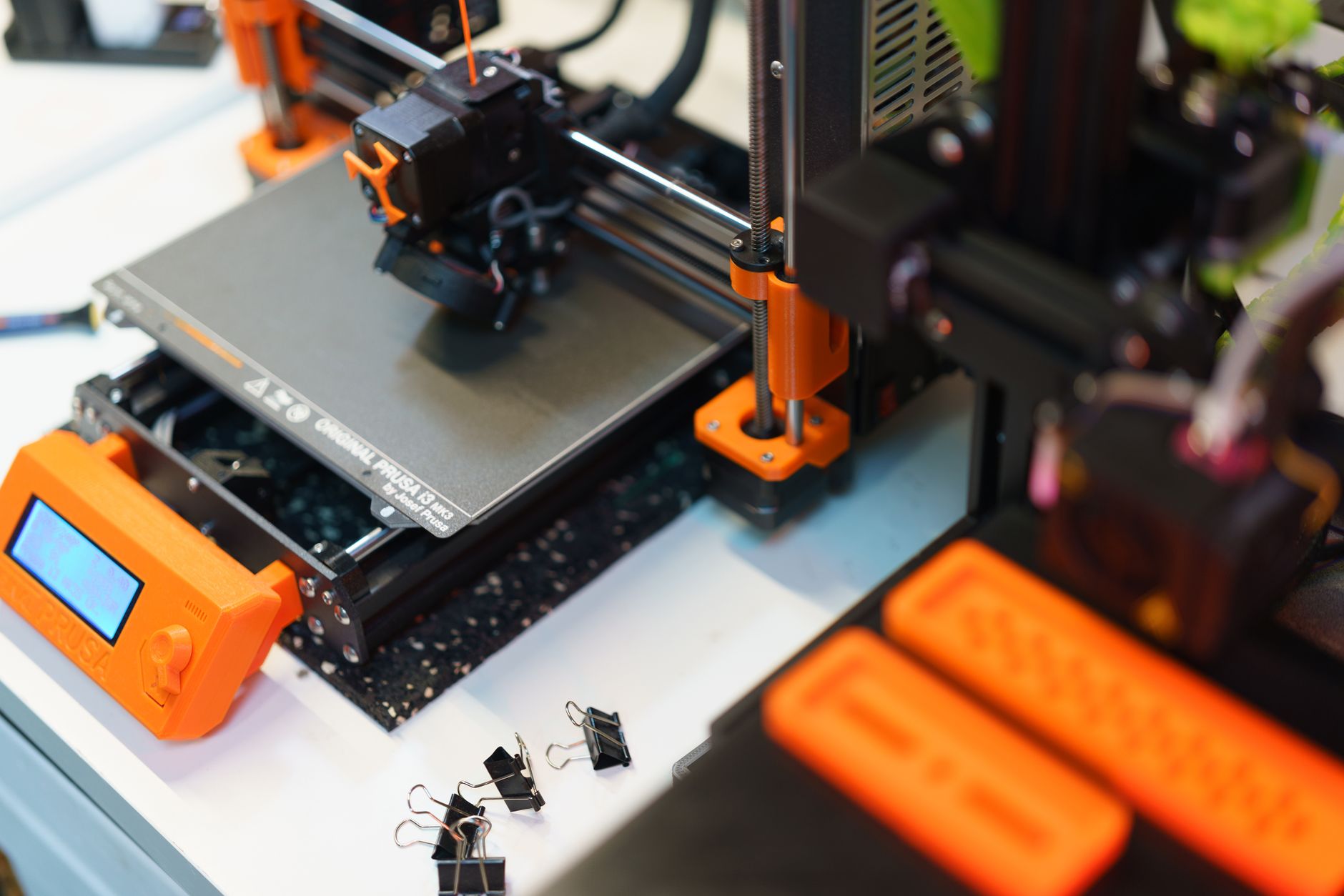
For most desktop FDM printers, the material list starts with PLA. PLA prints at 190 to 220°C, needs little or no heated bed, and produces crisp details. Its low glass transition near 60°C means a hot car can soften it. PETG splits the difference between PLA and ABS. It prints around 230 to 250°C and offers greater impact strength. ABS remains popular for functional parts because it can handle temperatures near 100°C before distorting. TPU is the standard flexible choice. Nylon and polycarbonate serve as entry engineering materials. Carbon fiber filled versions of PLA, PETG, and nylon add stiffness without complex post processing. The Simplify3D’s material guide gives a helpful temperature and property reference if you want a deeper chart. For a beginner friendly overview, read how to start 3D printing before you buy your first spool. Material choice also depends on printer hardware. An open frame machine handles PLA and PETG easily. ABS asks for a heated bed, an enclosure, and stable room temperature. Nylon demands dry conditions and high nozzle temperatures. TPU wants a direct drive extruder, though many Bowden setups now print soft TPU slowly. Carbon fiber filament needs a hardened nozzle. If you only have one printer, match the material to your hardware first. This single rule prevents most failed projects.
- PLA: easy, low temperature, limited heat resistance
- PETG: tough, slightly flexible, some stringing
- ABS: heat resistant, warps without enclosure
- TPU: flexible, slow to print, direct drive helps
- Nylon: strong, moisture hungry, needs drying
- Carbon fiber filled: stiff, abrasive, needs hardened nozzle
How Do You Choose Between PLA, PETG, and ABS?
The first real fork in the road is PLA versus PETG versus ABS. PLA wins for detail, ease, and price. It prints cleanly on almost any surface. PETG wins for parts that need toughness and modest outdoor use. It resists water and many household chemicals better than PLA. ABS wins when a part sits near heat. A printed bracket inside a car or near a printer enclosure can exceed PLA’s safe range quickly. For a focused breakdown, see PLA vs PETG vs ABS. If you want spool recommendations, check best 3D printer filament. Measured properties help. Standard PLA tensile strength often lands between 50 and 65 MPa, but it fractures with low elongation. PETG tensile strength sits near 50 MPa with more flex before failure. ABS can tolerate service temperatures over 90°C, while PLA softens around 60°C. That 30°C gap decides many engineering choices. If a part must survive a hot car or direct sunlight, skip PLA. If you print indoors at room temperature, PLA is the practical choice. Rule of thumb: start with PLA. Move to PETG when PLA parts crack or deform. Move to ABS only when you need heat resistance and can manage an enclosure. Do not switch to ABS just because it sounds stronger. The added fumes, warping, and bed adhesion issues are real.
What Are the Rules for Flexible and Engineering Filaments?
Flexible and engineering filaments demand more from your printer. TPU is the most common flexible material. It prints between 220 and 250°C, but speed must drop. Try 20 to 30 millimeters per second on a direct drive machine. Slow printing gives the flexible filament time to feed without buckling. A direct drive extruder helps because the path from gear to hot end is short. Bowden extruders can print hard TPU, but softer 85A grades often jam. Start with a harder TPU around 95A if you only have a Bowden printer. Engineering materials include nylon, polycarbonate, and some ASA. Nylon prints strong but absorbs moisture quickly. Some nylon grades can absorb more than 8 percent of their weight in water when left unsealed. Wet nylon hisses, pops, and prints with rough surfaces. Dry it before use. Polycarbonate needs hot end temperatures near 270 to 310°C and a heated chamber or enclosure. That is beyond many entry level machines. If your printer lacks an all metal hot end, stick to PLA, PETG, or TPU. For adhesion help on tricky materials, follow the steps in 3D printer bed adhesion guide.
- Print TPU slowly. 20 to 30 millimeters per second is a good start.
- Use a direct drive extruder for soft flexible grades.
- Dry nylon before printing. Four to eight hours at 70°C works for many brands.
- Use a hardened nozzle if you add carbon fiber later.
- Watch for curling with polycarbonate and use an enclosure.
When Should You Use Carbon Fiber and Filled Filaments?
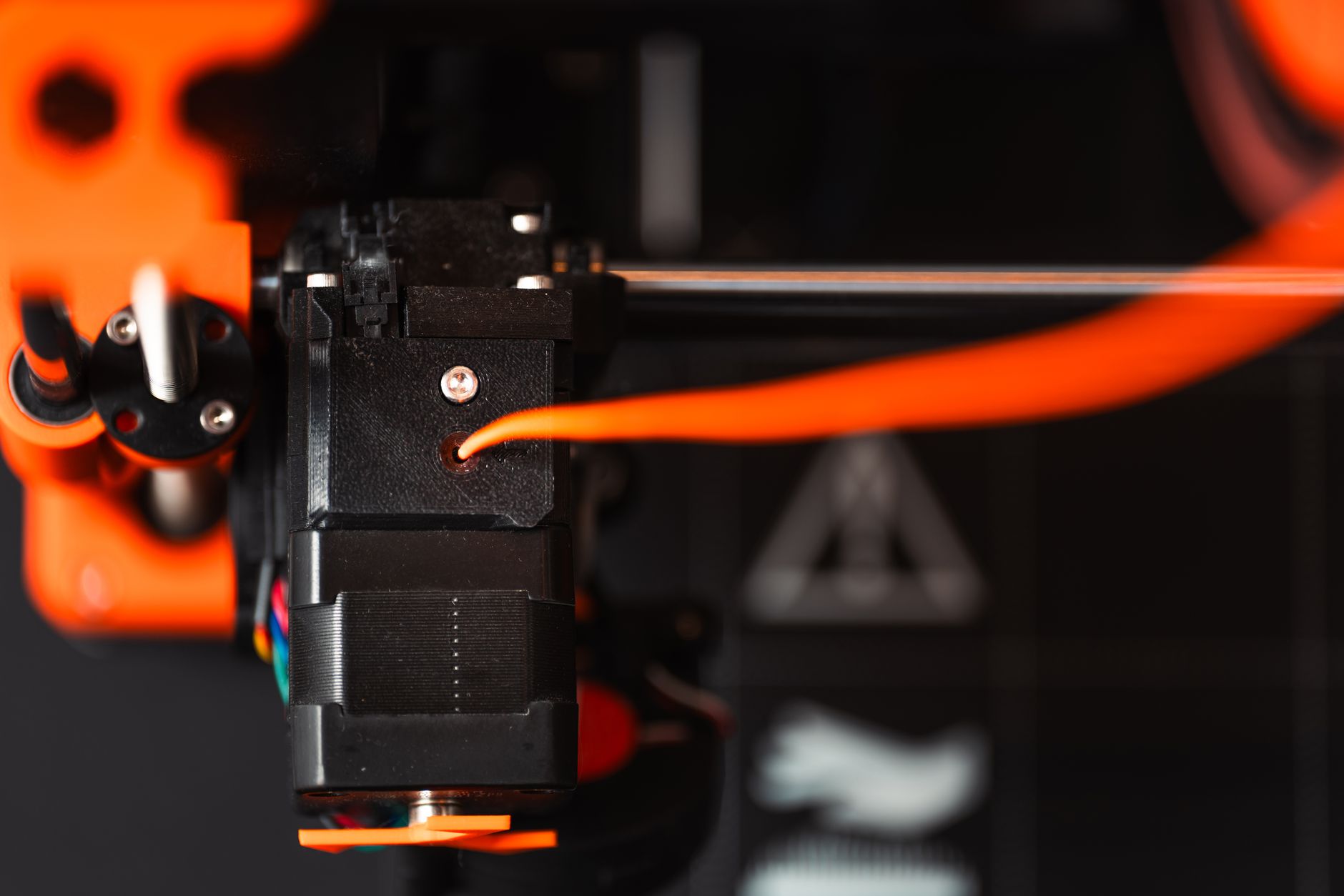
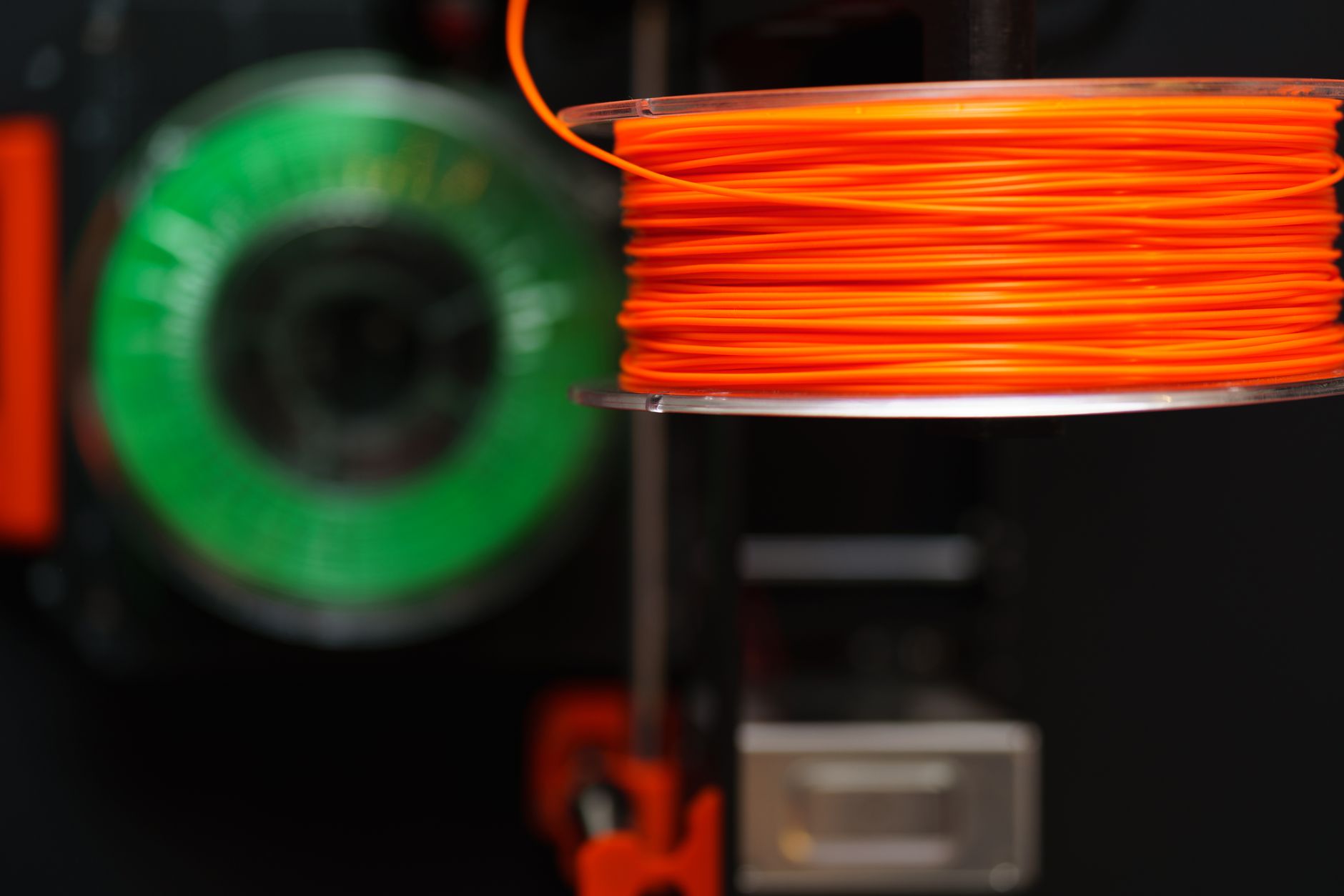
Carbon fiber filled filament is not a single material. It is a base polymer with chopped carbon fibers mixed in. Common bases are PLA, PETG, nylon, and ABS. The fibers increase stiffness and reduce warping. Bambu Lab lists carbon fiber options for its X1 and P1 series machines, and many third party brands sell similar blends. The fibers also make the filament abrasive. A standard brass nozzle will wear out quickly. Switch to a hardened steel, stainless steel, or ruby tipped nozzle before printing composites. Use carbon fiber filled filament when a part needs rigidity and dimensional stability. Drone frames, brackets, camera mounts, and jigs are common examples. The material feels lighter in hand because the fibers reduce plastic density slightly. It also hides layer lines better than shiny PLA. The tradeoff is lower impact strength. Carbon fiber parts can be stiffer but more brittle. They also cost more per kilogram. Standard PLA may run 20 dollars per kilogram, while carbon fiber nylon blends often exceed 50 dollars per kilogram. According to some manufacturer data sheets, carbon fiber nylon can exceed 100 MPa tensile strength, roughly double that of standard ABS. Use it only when that extra stiffness matters. Many carbon fiber blends print best inside an enclosure. Nylon and ABS bases warp less with a stable ambient temperature. If you are considering an enclosed machine, read best enclosed 3D printers for current options. Always check the manufacturer recommended nozzle temperature. It varies by base polymer. A carbon fiber PLA might print at 200 to 230°C, while a carbon fiber nylon needs 260 to 290°C.
How Should You Store and Dry 3D Printer Filament?
Most filament failures start with moisture. PLA, PETG, TPU, nylon, and polycarbonate all absorb water from the air. Nylon is the hungriest. Some nylon spools can absorb over 8 percent of their weight in water if exposed to humid air. Wet material causes brittle prints, poor layer adhesion, and popping from the nozzle. The solution is dry storage. Keep spools in sealed bags or boxes with desiccant. For an in depth method, see filament storage guide. Drying temperatures matter. PLA dries around 45 to 50°C. PETG dries around 65°C. Nylon often requires 70 to 80°C. Do not exceed the filament’s heat deflection temperature. A dedicated filament dryer works best. Prusa Research publishes drying and storage recommendations for its material range, and the same rules apply to most brands. If you do not have a dryer, use a food dehydrator with accurate temperature control. Dry nylon for 8 to 12 hours before a big print. Dry PETG for 4 to 6 hours if it has been open for a week. Store spools in airtight containers with color changing desiccant. Replace or recharge the desiccant when it turns pink or green, depending on the type.
- Store opened spools in airtight boxes with desiccant.
- Dry nylon at 70 to 80°C for 8 to 12 hours.
- Dry PLA at 45 to 50°C if it becomes brittle.
- Do not exceed the recommended drying temperature for your material.
What Materials Should Beginners Start With in 2026?
Start with PLA. It is the most forgiving material and prints on nearly every FDM machine. Use the standard profile in your slicer first. Once you can produce clean PLA prints, try PETG. PETG adds toughness and moisture resistance for functional parts. It strings more than PLA, so you will need to tune retraction slightly. Do not jump straight to ABS, nylon, or carbon fiber. Those materials ask for enclosures, higher temperatures, or hardened nozzles. A failed spool in week one is a quick way to lose motivation. Your second material depends on the parts you want. If you make phone cases, gaskets, or shock mounts, try TPU. If you make outdoor brackets or kitchen items, use PETG. If you need heat resistance and have an enclosure, then move to ABS. The same logic applies to carbon fiber filled filament. Use it only when you can answer what stiffness you need. If you cannot name the mechanical requirement, stay with PETG or PLA. The hobby grows fastest when you master one material before adding the next.
Frequently Asked Questions
What is the easiest 3D printing material for beginners?
PLA is the easiest. It prints at low temperatures, adheres well, and produces fine details. Start with PLA and use a standard 0.4 millimeter nozzle.
Can I print carbon fiber filament on a standard FDM printer?
You can print carbon fiber PLA or PETG on many standard FDM printers if you replace the brass nozzle with a hardened nozzle. Nylon based carbon fiber may also need an enclosure and a high temperature hot end.
What temperature should I use for PETG?
Most PETG prints well between 230 and 250°C with a heated bed around 70 to 90°C. Check the spool label because different blends vary.
How do I stop ABS from warping?
Use an enclosure, a heated bed near 100°C, and an adhesive like ABS slurry or a commercial bed adhesive. Keep room drafts away from the printer.
Does filament need to be dried before printing?
Not always. PLA and PETG can print if stored well. Nylon and polycarbonate benefit from drying before use. If you hear popping or see rough surfaces, dry the material.
Is TPU hard to print?
Hard TPU is easier than expected if you slow the print speed to 20 or 30 millimeters per second. Soft TPU below 95A may require a direct drive extruder.
What Should You Remember?
- PLA: Start with PLA for easy, detailed prints and low heat parts.
- PETG: Use PETG for tougher, water resistant parts that live outdoors.
- ABS: Choose ABS only when you need heat resistance and have an enclosure.
- TPU: Slow down and use a direct drive extruder for flexible filament.
- Nylon: Dry nylon before printing to avoid weak, rough parts.
- Carbon Fiber: Pair carbon fiber filament with a hardened nozzle and clear stiffness goals.
This article is for general information only. Always follow your printer manufacturer’s guidelines and material safety data sheets (MSDS) for safe operation.