Wet filament is one of the most common causes of failed 3D prints. Many makers chase perfect bed leveling, read best 3d printer filament reviews, and upgrade nozzles before realizing the real problem is moisture. If you hear popping at the hotend or see stringy, rough surfaces, your filament has probably absorbed water from the air. The fix is not a new printer. It is a proper storage routine that keeps every spool dry from the moment you open it. Spools left on a shelf can degrade within days in humid climates, and wet plastic can ruin even the best machine.
Most printing thermoplastics are hygroscopic. That means they pull water molecules out of the surrounding air. PLA, PETG, TPU, nylon, and PVA are all affected to different degrees. The Simplify3D filament guide explains how moisture changes material behavior during extrusion. Nylon can absorb enough water to ruin a print after only a day of exposure. Even PLA, which is relatively stable, becomes brittle and stringy when stored at high humidity. The problem is not always visible at first because moisture hides inside the plastic until the hotend flashes it to steam.
Storage technology has improved a lot by 2026. Dedicated filament dryers are cheaper, digital hygrometers are tiny, and reusable desiccant is easy to find. You do not need a climate-controlled lab. You need a consistent system that keeps every spool below 20 percent relative humidity. This guide walks through how to identify moisture problems, build an airtight storage setup, dry spools safely, and maintain good habits. It pairs well with routine 3d printer maintenance to keep your machine and your materials working together. The payoff is fewer failed prints and stronger parts.
What You’ll Need
- Airtight storage containers or gasketed bins
- Reusable silica gel desiccant packs
- Digital hygrometer
- Dedicated filament dryer or food dehydrator
- Vacuum bags or heavy-duty zip bags
- Labels and permanent marker
How Do You Store 3D Printer Filament Dry in 2026?
- Identify which filaments absorb moisture
Not every filament behaves the same way. PLA and PETG absorb moisture slowly but still show defects in humid environments. TPU, nylon, PC, and PVA absorb water quickly and need stricter storage. ABS is less hygroscopic but can still become contaminated if left in open air for months. Check pla vs petg vs abs to understand the differences before you choose a storage method.
Moisture affects the melt path inside the hotend. Water trapped in the plastic flashes to steam at extrusion temperatures. That steam creates tiny bubbles in the molten filament. The bubbles appear as stringing, zits, and weak layer adhesion. Wet nylon is especially obvious because it hisses and pops at the nozzle.
A quick test is to bend a short piece of filament. Dry PLA should snap cleanly. Wet PLA often feels softer and may flex before breaking. You can also watch the first layer. If it looks foamy or uneven, moisture is a likely cause.
- Set up an airtight storage system
Airtight storage is the foundation. Keep spools inside sealed plastic bins with rubber gaskets, heavy-duty zip bags, or dedicated dryboxes. A simple plastic tote is not enough unless the lid seals tightly. Look for bins marketed for cereal storage. They are often the right size for one 1 kg spool and have a snap-closed silicone seal.
Prusa Research publishes open-source guidance for building dryboxes from printable parts and inexpensive hardware. You can follow their approach if you want a custom solution. For a simpler start, use a large gasketed storage bin. Add weather stripping to the lid if it does not seal well.
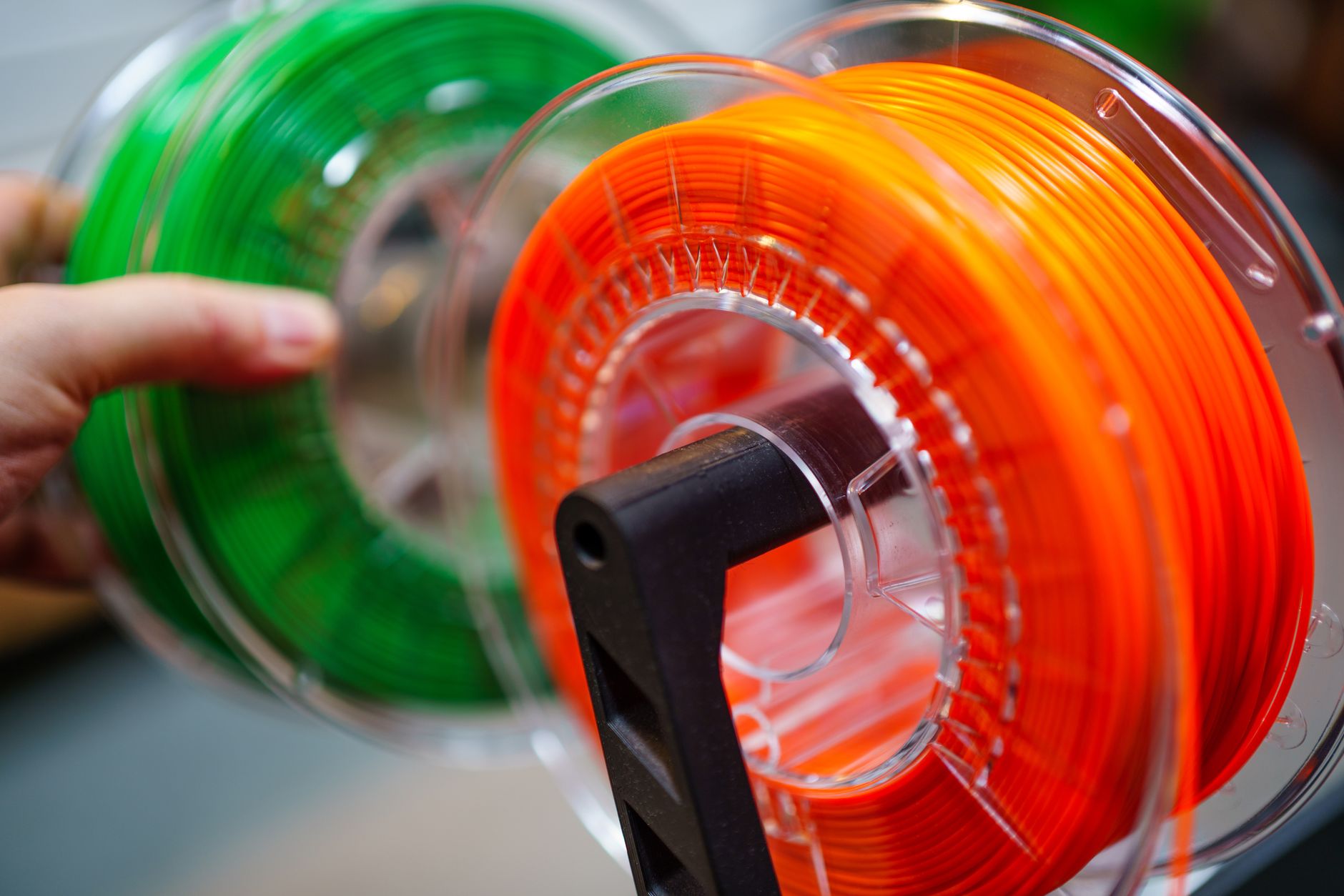
Do not store multiple open spools loose in a large bin. Every time you open the lid, humid air floods in. Smaller individual containers limit exposure. If you print from a drybox, the filament stays dry even during long prints. Some best enclosed 3d printers include a filament bay, but a standalone drybox works with any printer. Prusa Research has published free drybox plans if you want a proven design.
- Add desiccant and monitor relative humidity
Desiccant pulls moisture out of the air inside the container. Reusable silica gel beads are the most common option. They often change color when saturated, but not all color-changing beads are safe near food. For filament storage, any indicating silica gel works. Add a 50 gram pack per 1 kg spool as a starting point.
A digital hygrometer is just as important as the desiccant. Place one inside the container so you can see the relative humidity without opening it. Aim to keep storage humidity below 20 percent. If the reading climbs above 30 percent, the desiccant is saturated and needs recharging.
Recharge silica gel in a microwave or low-temperature oven according to the package instructions. Store recharged desiccant in a sealed jar until you need it. You can buy desiccant in bulk and refill small breathable bags. Check the reusable silica gel desiccant on Amazon. You can also print custom desiccant holders. Many ideas appear in best 3d printer upgrades.
- Dry filament before printing
Even well stored filament can pick up moisture during printing. If you see signs of wet filament, dry the spool before you print. Dedicated filament dryers hold spools at a controlled temperature while letting moisture escape. Check the filament dryer on Amazon. Good dryers have adjustable settings for different materials.
Use the right temperature for each material. Dry PLA at 45 to 50 Celsius for 4 to 6 hours. Dry PETG at 65 Celsius for 4 to 6 hours. Dry nylon and PC at 70 to 80 Celsius for 8 to 12 hours. Never exceed the material’s glass transition temperature or the spool may soften and deform.
Once dry, baseline settings matter. For PLA, start with a 200 Celsius nozzle, a 60 Celsius bed, 50 mm/s print speed, and 0.2 mm layer height. Adjust with your best 3d slicer software 2026 if the material needs it. A dry spool at these settings should produce clean, even walls.
- Store each spool individually with desiccant
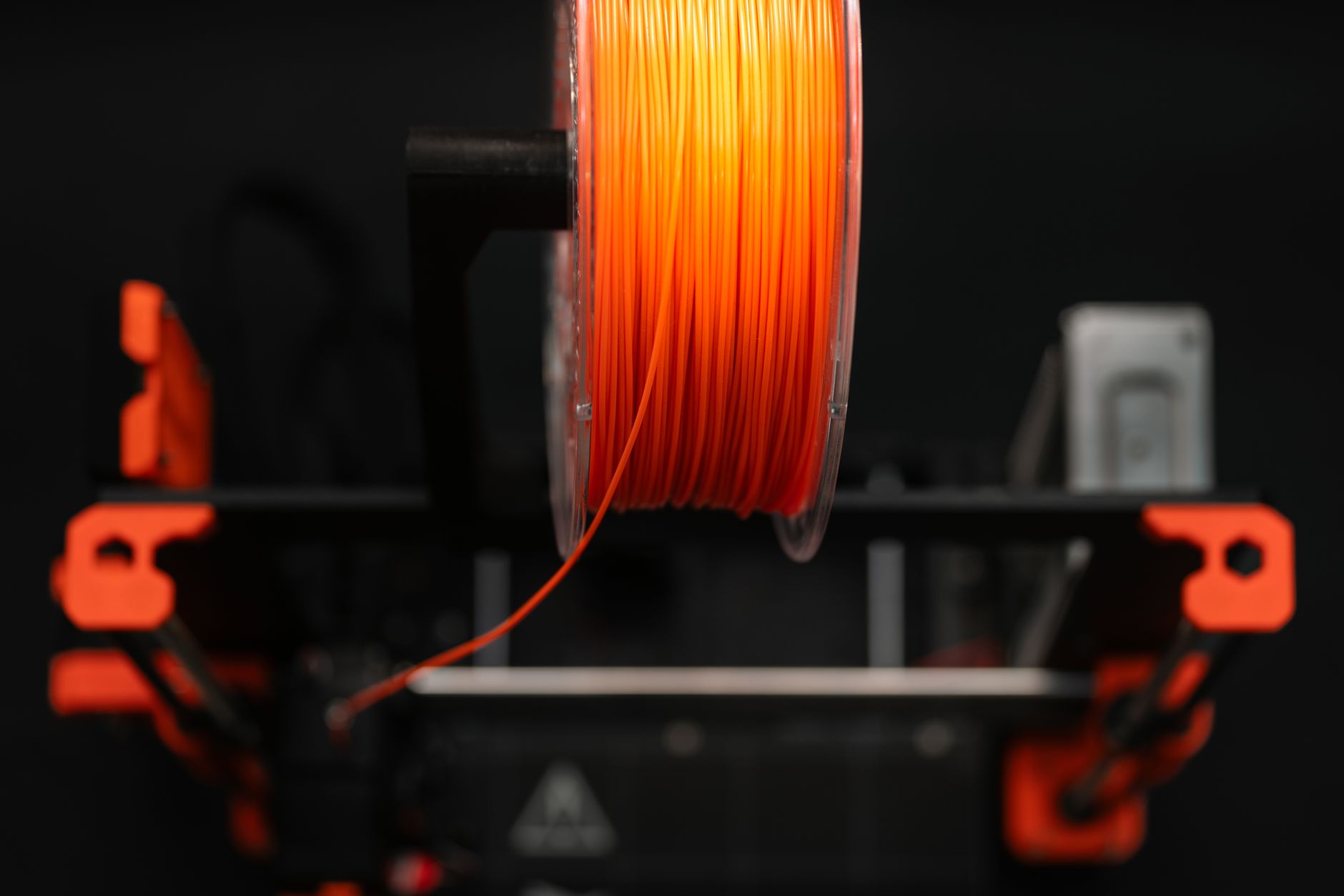
Individual storage is the most reliable method. Put each open spool in a vacuum bag or a zip bag rated for long-term use. Add a small desiccant pack before sealing. Squeeze out as much air as possible. This prevents one wet spool from contaminating the rest.
Label every bag with the material type, brand, and date opened. Some filaments look identical, especially black PLA and PETG. A label saves you from guessing later. Include a note on drying temperature if the material needs special handling.
Vacuum bags sold for clothes work but are oversized for one spool. Food vacuum bags are often better. You can also use reusable vacuum bags made for 3D printing. If you print often, keep the spool you use daily in a sealed container with a gasket lid instead of a bag. When buying new spools, look for brands with resealable bags. The best 3d printer filament guide lists several options that include extra desiccant.
- Maintain low ambient humidity in your print room
Your storage can only do so much if the room is very humid. Use a dehumidifier in the print room during rainy seasons. Keep the room below 40 percent relative humidity if possible. This slows moisture absorption when you load filament and during long prints.
Printing in an enclosure also helps. Some best enclosed 3d printers have internal filament bays that stay warmer and drier than open air. You can add the same effect to an open printer with a simple acrylic enclosure or a heated drybox.
If you use a multi-material system, check its seals and desiccant regularly. Bambu Lab’s AMS units have built-in desiccant packs that need periodic drying. A small digital hygrometer inside the unit tells you when to swap them. This habit prevents wet filament from hiding inside the machine.
- Re-dry and test old filament before use
Old filament is not automatically bad. If a spool has been sitting for months, dry it and run a test print. Start with a small calibration cube or a temperature tower. Look for consistent walls and good interlayer bonding. If the first few centimeters are brittle, cut them off and try again.
Some materials degrade with repeated drying cycles. Nylon can become more brittle if dried at high temperatures for too long. PLA can lose some color vibrancy. Do not dry a spool more times than necessary. Store it properly after the first dry cycle to avoid repeat work.
If a spool snaps in multiple places even after drying, or if prints still show bubbles at the nozzle, the material may be too degraded. Use it for prototypes or discard it. The same test applies to specialty filaments from the 3d printing materials guide. Proper storage from day one avoids most of these failures.
Red Flags & Warnings
- 🚨 Do not trust the original cardboard spool box for storage. It is not airtight and lets humidity reach the filament quickly.
- 🚨 Never dry filament in a kitchen oven unless it has a verified low-temperature setting. Most ovens overshoot 50 Celsius and can melt spools or release fumes.
- 🚨 Do not mix different materials in the same sealed container without checking drying temperatures. A nylon drying cycle can deform PLA spools.
- 🚨 Do not assume new filament is dry from the factory. Many spools arrive with moisture already absorbed. Dry new nylon or PETG before critical prints.
- 🚨 If desiccant has changed color, do not leave it in the container. Saturated desiccant slowly releases moisture back into the filament box.
Frequently Asked Questions
How long does it take for filament to absorb enough moisture to cause problems?
It depends on material and humidity. Nylon can show print defects after 24 to 48 hours of exposure at 50 percent humidity. PLA and PETG may take several days to a week. In humid climates, even moderate spools can degrade overnight.
Can I use a food dehydrator to dry filament?
Yes, if the dehydrator can hold a spool and maintain a steady low temperature. Many round dehydrators work well after you print extension rings. Keep temperatures within the filament’s safe drying range and monitor it with a separate thermometer.
What relative humidity is safe for long-term filament storage?
Aim for below 20 percent relative humidity inside the storage container. Anything below 30 percent is acceptable for PLA and PETG. Nylon and TPU benefit from the dryer end of that range.
How do I know if my filament is wet?
Listen for popping or hissing at the nozzle during extrusion. Look for excessive stringing, rough surfaces, or weak layers. A bend test can also help. Wet PLA often bends before snapping, while dry PLA snaps cleanly.
Can I dry filament in an oven?
Only if your oven has a precise low-temperature mode that stays within 5 Celsius of the target. Most home ovens do not. A dedicated filament dryer or food dehydrator is safer and more consistent.
Is a filament dryer worth buying?
For most makers, yes. Dedicated dryers hold temperature accurately and can feed directly to the printer. They pay for themselves by saving spools that would otherwise produce failed prints. Look for a model with adjustable temperature and a lid vent.
What Should You Remember?
- Airtight storage: Keep every open spool in a gasketed container or vacuum bag.
- Desiccant and hygrometer: Use fresh silica gel and keep relative humidity below 20 percent.
- Material matters: Dry nylon and TPU more aggressively than PLA or PETG.
- Drying temps: Match dryer temperature to the material. Never exceed the spool’s safe range.
- Print settings: Dry PLA baseline is 200 Celsius nozzle, 60 Celsius bed, 50 mm/s, and 0.2 mm layers.
- Daily habits: Load from a drybox, seal spools after printing, and recharge desiccant on a schedule.
This article is for general information only. Always follow your printer manufacturer’s guidelines and material safety data sheets (MSDS) for safe operation.