3D printing has moved from hobbyist workbench to real income stream. The desktop printer market keeps growing because machines cost less and materials are widely available. According to industry data, desktop 3D printer sales grew 23 percent in 2025. Many new owners start with one printer in a spare room. Some turn that single machine into a steady side income within six months.
The secret is to avoid competing with mass production. A factory can always make a generic bracket cheaper. You can win with custom, sentimental, and functional items. A standard FDM printer can make jigs, props, and organizers. A resin printer can make miniatures and jewelry masters. You also need basic design skills and a good post-processing routine. Our guide to how to start 3d printing covers the essential first steps.
This article lists 13 proven 3D printing business ideas for 2026. Each idea includes a realistic startup range and required skill level. You will see why some niches earn more than others. Pick one niche, test it with a small batch, and then scale what sells.
| Business Idea | Startup Cost | Skill Level | Profit Potential |
|---|---|---|---|
| Custom cookie cutters and planters | $200-$500 | Beginner | Moderate |
| Phone stands and cable organizers | $200-$500 | Beginner | Low to moderate |
| Cosplay props and armor | $500-$2,000 | Intermediate | High |
| Custom lithophanes and photo gifts | $200-$500 | Beginner | Moderate |
| Dental and medical models | $500-$2,000 | Advanced | Very high |
| Architectural scale models | $500-$2,000 | Intermediate | High |
| Jigs, fixtures, and tooling | $500-$1,500 | Intermediate | High recurring |
| Spare parts and repair items | $200-$1,000 | Intermediate | High |
| Miniatures and tabletop game accessories | $250-$800 | Beginner | High |
| Custom keycaps and artisan items | $250-$800 | Intermediate | High |
| Jewelry patterns and resin casting | $300-$1,000 | Intermediate | High |
| Personalized desk accessories | $200-$500 | Beginner | Moderate |
| Local prototyping and classes | $1,000-$3,000 | Advanced | High |
Why Is 3D Printing a Profitable Business in 2026?
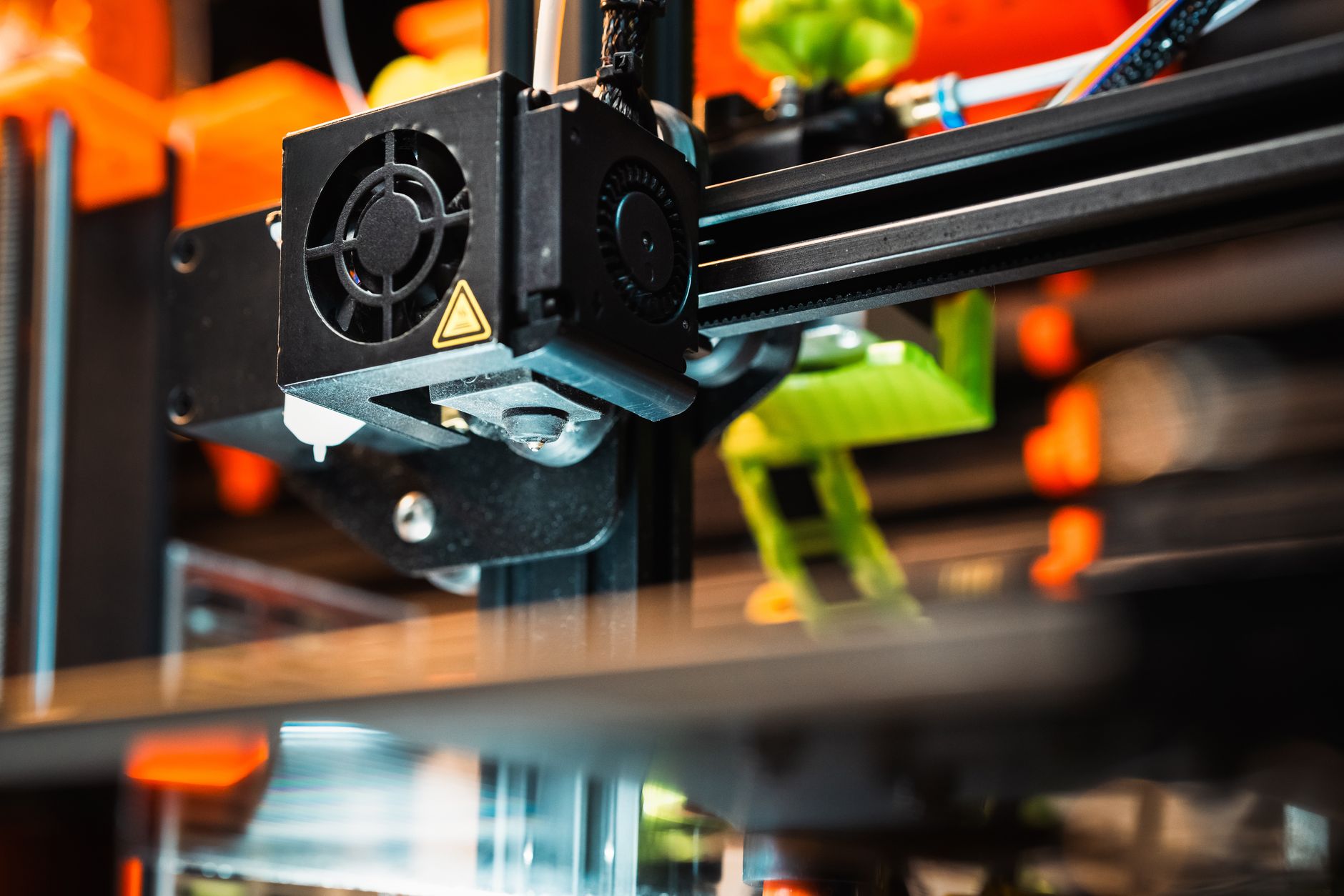
Demand for local and custom manufacturing has never been higher. Businesses need quick prototypes without waiting weeks for injection molding. Consumers want personalized gifts that big retailers cannot offer. All3DP reports that desktop 3D printer sales grew 23 percent in 2025. That expansion brings more customers who understand what printed parts can do.
The cost barrier is low compared with other small businesses. A good beginner printer often costs under $500 and uses affordable PLA filament. You can find current recommendations in our best 3d printers 2026 guide. Consumables like filament and resin are easy to ship and store. This lets you start small and reinvest profits.
Most profitable print shops do not sell everything. They pick one audience and master it. Cosplay fans pay for detailed props. Dentists need accurate models fast. Local manufacturers need jigs and fixtures. When you solve one specific problem, repeat orders follow. That is why a focused 3D printing side hustle can grow faster than a general Etsy store.
What Are the Best Low-Cost 3D Printing Business Ideas?
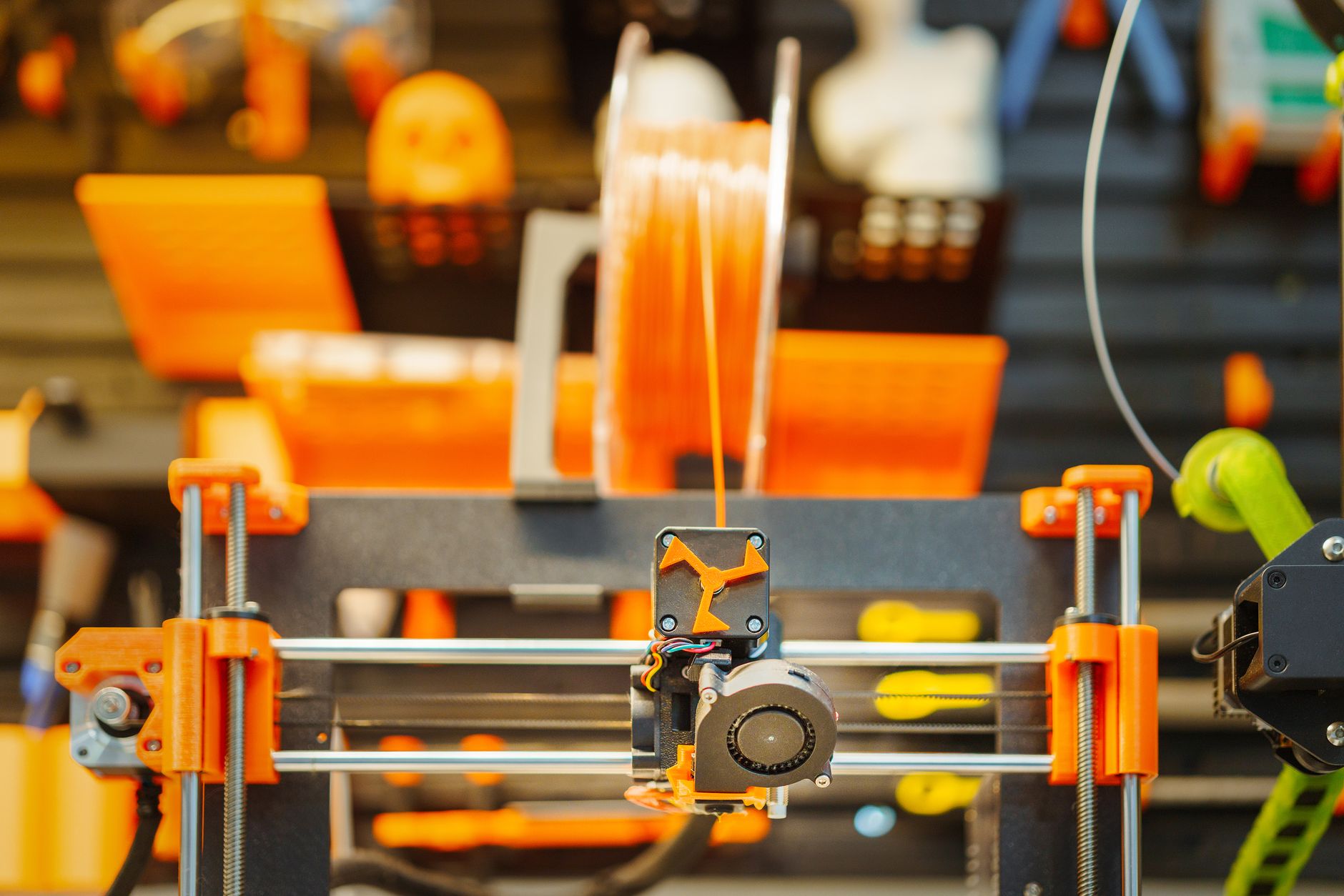
If you want to start with a small budget, focus on simple FDM products. These items need little post-processing and sell well online. You can run them on a best budget 3d printers machine and stock a few spools of PLA. The key is to find designs that solve a daily problem or feel personal.
Custom cookie cutters and planters are two beginner friendly products. Cookie cutters can be personalized with names or logos. Planters can be made in geometric or animal shapes. You can sell these on Etsy or at local markets. Phone stands and cable organizers also move fast because remote workers and students need desk gear. Cosplay props and armor take more skill but often bring higher prices.
Open-source design files make it easier to start. Prusa Research keeps many printer designs open, and the community shares models widely. You can modify existing files instead of designing from zero. This saves time when you test a new product. Always check the license before selling a model. Some creators allow commercial use, and some do not.
The startup range for these ideas is usually $200 to $500 for a printer and materials. You can make $5 to $25 per item. That might sound small, but a single printer can run overnight and make 20 cookie cutters. The real profit comes from batching and low labor time.
- Custom cookie cutters with names and logos
- Geometric and animal shaped planters
- Phone stands and cable organizers
- Cosplay props and lightweight armor pieces
Which 3D Printing Niches Have the Highest Profit Margins?
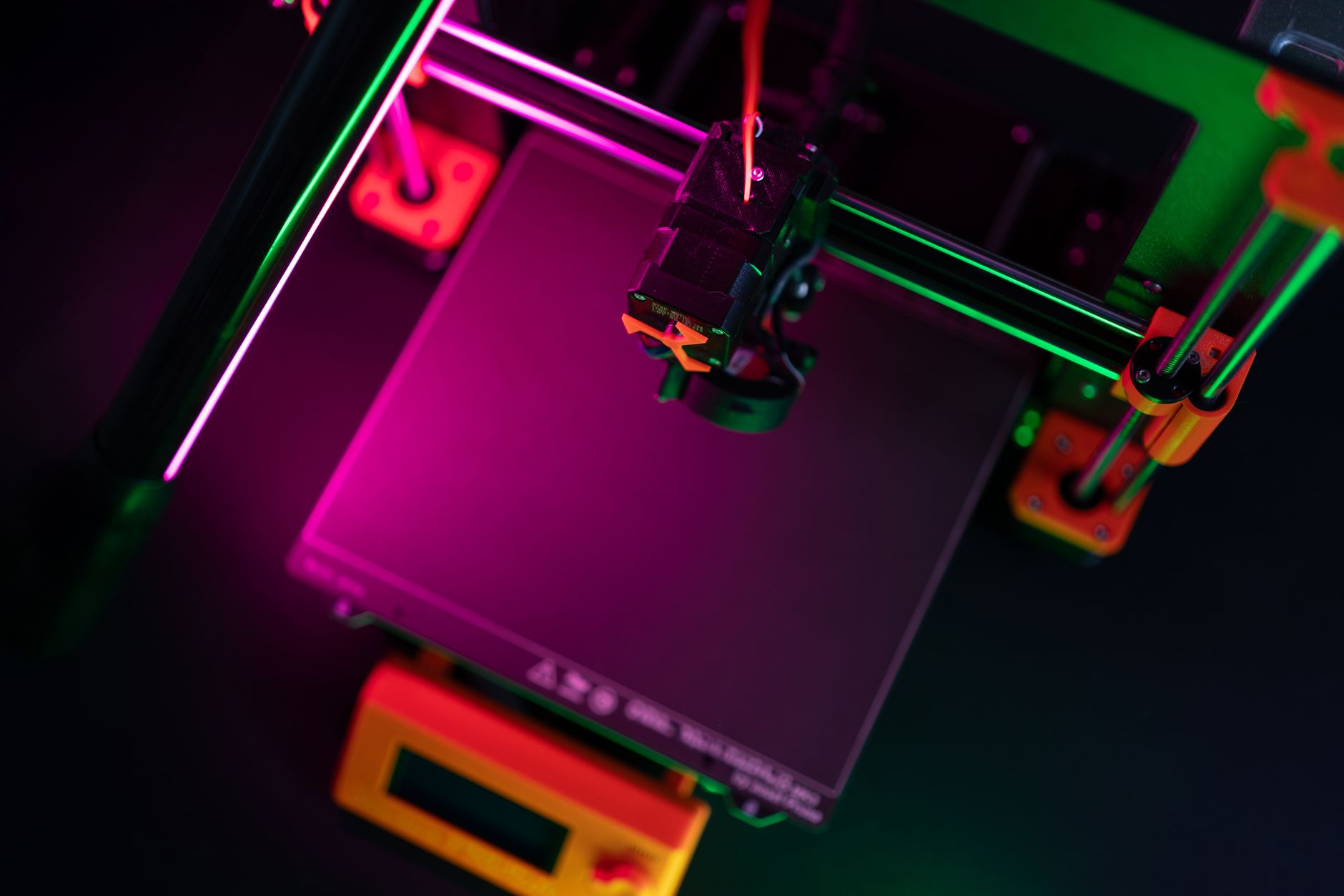
Higher margins usually come from professional and medical uses. These buyers care about accuracy and speed, not just price. You need better equipment and more skill, but the payoff is stronger. A dental model can cost $1 to $3 in resin and sell for $30 to $80. That is a gross margin above 90 percent in many cases, according to seller reports shared by Simplify3D’s material guide.
Dental and medical models are one of the most profitable niches. Dentists order aligner models, crown setups, and surgical guides. These jobs require a reliable best resin 3d printers setup and strong attention to detail. You also need to understand sterilizable materials and patient privacy rules. Start by offering models to a single local clinic before scaling.
Architectural scale models also pay well. Architects and real estate developers need quick physical models for client meetings. A printed site model can sell for several hundred dollars. Jigs, fixtures, and tooling serve local manufacturers. A custom drill guide or assembly fixture can save a factory hours per week. Businesses pay for that time savings. Spare parts and repair items round out the high margin list. Hard to find plastic knobs, clips, and brackets can be reverse engineered and printed on demand.
The common thread is solving a problem that costs more when ignored. A broken machine waiting for a $2 part can cost a company hundreds per hour. That makes your $15 printed part look cheap. To deliver these parts, you need strong 3d printing post-processing guide skills. Cleaning, curing, and dimensional checks matter more in professional niches.
- Dental aligner models and surgical guides
- Architectural site and massing models
- Custom jigs, fixtures, and assembly aids
- Reverse engineered spare parts
What Are the Best 3D Printing Business Ideas for Creative Beginners?
Creative niches let you learn while you earn. You do not need an engineering background. You need a good eye, patience, and a willingness to test finishes. Miniatures and tabletop game accessories are a strong starting point. A bottle of resin can make dozens of figures. A finished miniature often sells for $10 to $25. You can find the best machine options in our best 3d printer for miniatures guide.
Custom keycaps and artisan desk items also appeal to niche buyers. Mechanical keyboard fans collect unique keycaps. A single hand-painted keycap can sell for $20 to $40. This niche rewards small but detailed work. You can practice with affordable resin and paint. Personalized desk accessories like nameplates, pen holders, and cable keepsakes do well as gifts. Customers like to see their name or initials on the product.
Jewelry patterns and resin casting is another creative path. You print a master model, make a silicone mold, and then cast in resin or metal. This lets you sell many copies from one printed original. It also connects 3D printing to traditional craft markets. Wedding cake toppers, custom ornaments, and memorial keepsakes round out the creative list.
The best part is that these products photograph well. Strong listings on Etsy and Instagram attract buyers without paid ads. You can start with one or two designs and improve based on feedback. Keep your first batches small to avoid wasted material and time.
- Miniatures and tabletop game accessories
- Custom keycaps and artisan desk items
- Jewelry masters and resin casting sets
- Personalized nameplates, ornaments, and cake toppers
How Do You Price 3D Prints and Find Repeat Customers?
Pricing is where many new sellers undercut themselves. A simple formula is to charge three times the material cost, then add your hourly design and post-processing time. For example, if a print uses $2 in filament and takes 30 minutes of labor, a $15 to $20 price is reasonable. Many Etsy sellers report profit margins near 60 percent after platform fees and materials.
The 13th business idea is local prototyping and 3D printing classes. Set up an enclosed printer and offer rapid prototype service to local inventors and small businesses. You can charge $50 to $150 per prototype depending on size and turnaround. You can also run weekend workshops for beginners. Classes bring in $100 to $300 per session and often lead to private projects.
Finding repeat customers depends on trust and speed. Deliver on time and show clear photos of your work. Ask local businesses if they need a printed sample before placing a large order. Dental clinics, architectural firms, and repair shops often need the same type of print on a schedule. Those repeat orders make your income more predictable. You can grow from one printer to a small farm once demand is proven.
Before scaling, document your settings and processes. A failed overnight print wastes time and material. Use reliable filament, maintain your printer, and stick to a small set of proven materials. That consistency is what turns a side project into a real business.
Frequently Asked Questions
How much money can you make with a 3D printing business?
Most beginners earn $200 to $1,000 per month from a single printer. Full time sellers with multiple machines can earn $3,000 to $8,000 per month in professional niches like dental models and prototyping. Profit depends on niche, pricing, and repeat customers.
What is the best 3D printer for a small 3D printing business in 2026?
For general FDM products, choose a reliable enclosed or open frame printer with a proven track record. For miniatures and dental models, a resin printer offers better detail. Start with one printer that matches your chosen niche before adding more.
Do I need design skills to start a 3D printing business?
No, you can start by using licensed or public domain 3D models. Over time, basic CAD skills help you create custom products and fix design issues. Learning simple modeling can unlock higher paying client work.
Which 3D printing niche is most profitable in 2026?
Dental and medical models, architectural scale models, and local prototyping often have the highest profit margins. These niches pay for speed, accuracy, and problem solving rather than just a physical object.
How do I price my 3D printed products?
Start with three times the material cost, then add labor and post-processing time. Compare your price to similar products on Etsy and local marketplaces. Test different prices on small batches to find what buyers accept.
Is it legal to sell 3D printed items based on existing designs?
You must check the model license. Many files allow personal use only. Some licenses permit commercial sales with attribution or a fee. For original scans of existing parts, research intellectual property rights before selling.
What Should You Remember?
- Focus on one niche: Pick a single product category and master it before expanding.
- Price by value: Charge three times material cost plus labor, not just filament and resin.
- Start with low-cost FDM products: Use cookie cutters, planters, and phone stands to learn selling.
- Scale into professional niches: Dental models, jigs, and architectural prints produce higher margins.
- Learn post-processing: Sanding, painting, and curing turn cheap prints into premium products.
- Find repeat buyers: Local clinics, architects, and repair shops order regularly if you deliver fast.
This article is for general information only. Always follow your printer manufacturer’s guidelines and material safety data sheets (MSDS) for safe operation.