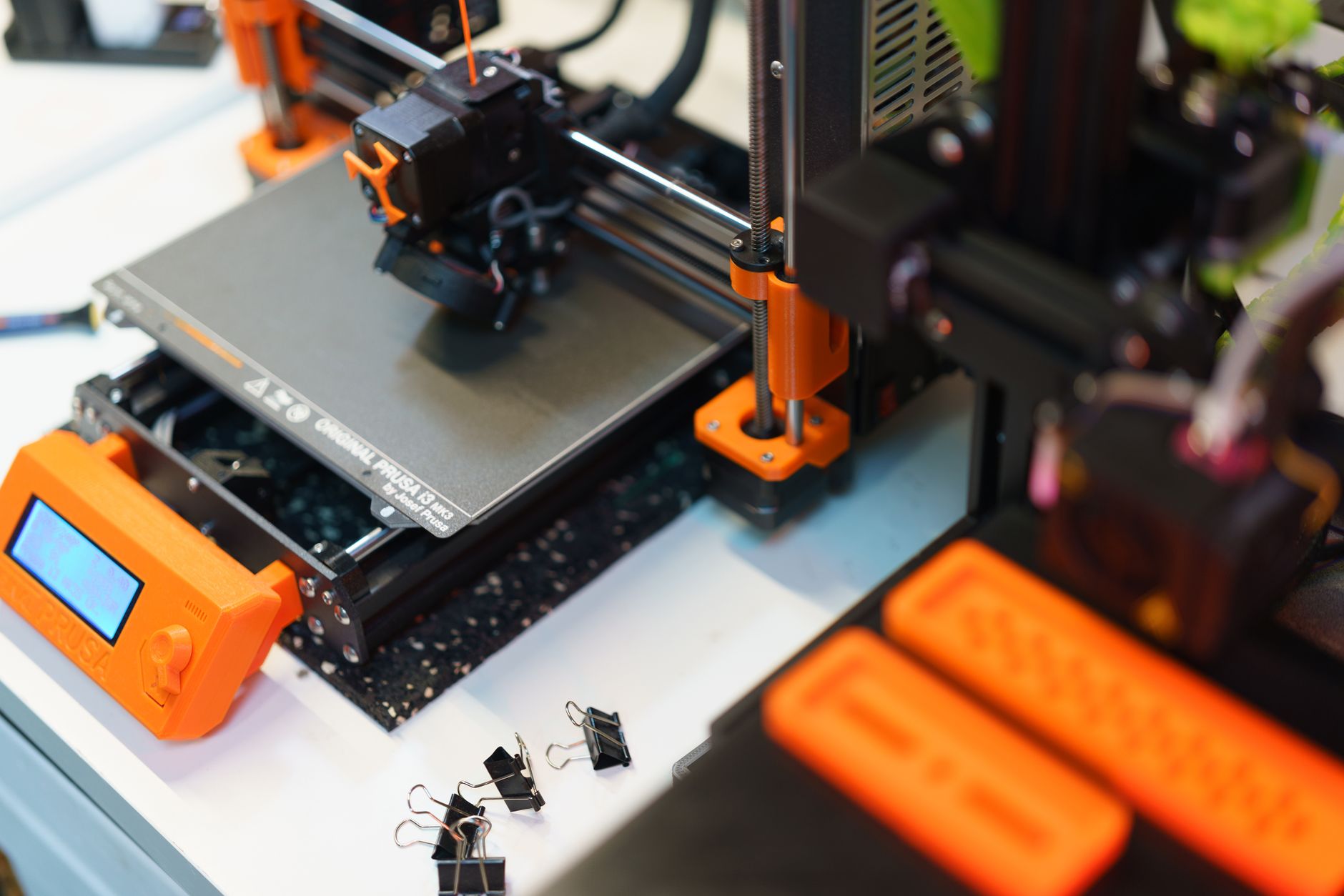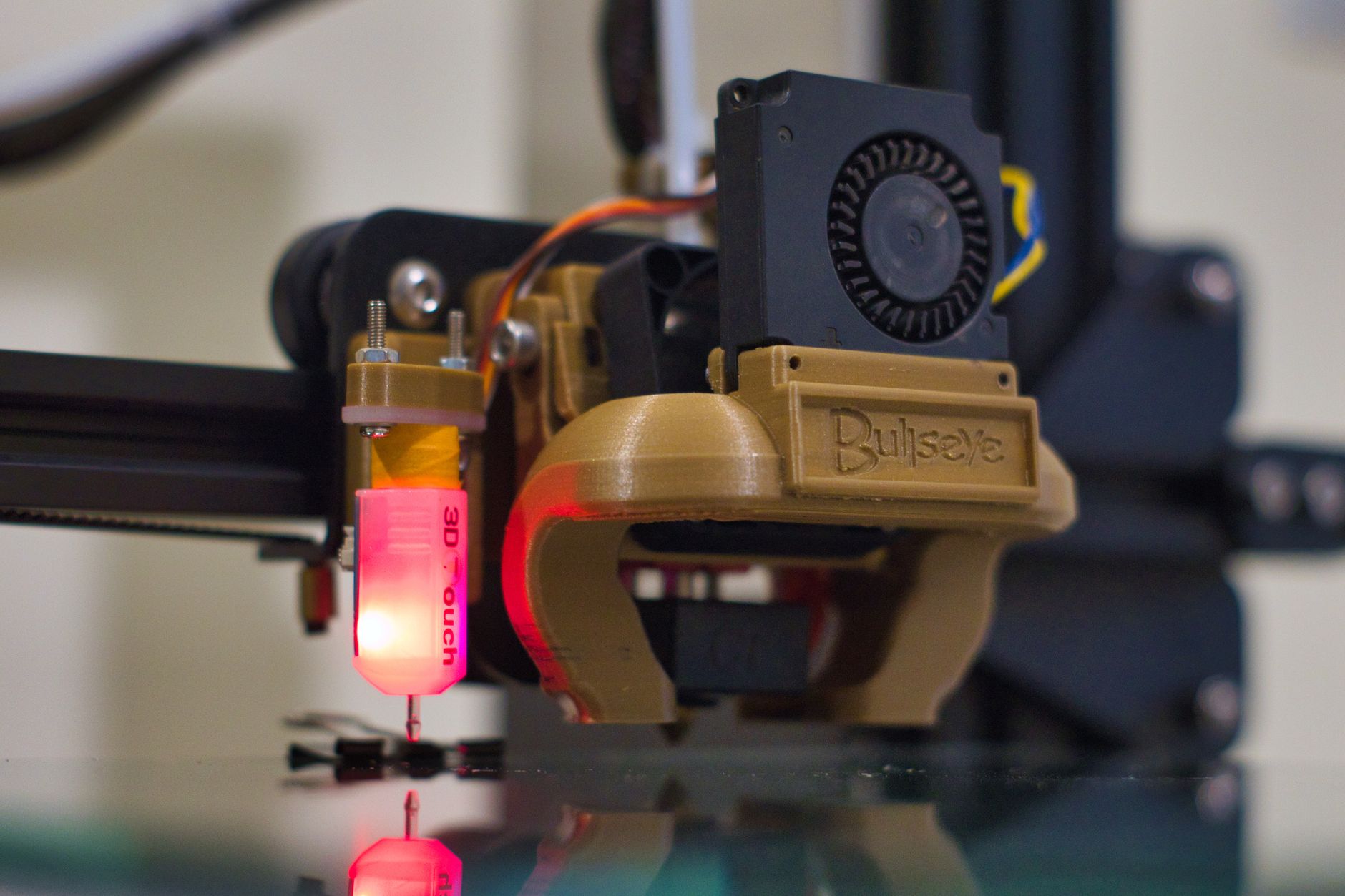
Selective laser sintering works nothing like the FDM machine sitting on your desk. There is no nozzle, no hot end, and no support material. A laser traces each cross section through a bed of nylon powder and fuses the particles together, then a roller spreads a fresh layer about 100 microns thick on top and the process repeats. Parts come out strong in every direction, which is why SLS nylon survives living hinges, snap fits, and thin walls that would snap straight off an FDM print. If you are still choosing your first filament machine, start with our roundup of the best 3D printers before you look at powder systems. SLS sits a full tier above it on price.
I judged these machines on six things: build volume, layer resolution, laser or heater configuration, powder refresh rate, post-processing kit, and what a real shop pays per finished part. Refresh rate matters more than most buyers expect. A machine that demands 50 percent virgin powder roughly doubles your material bill compared with one that runs happily on 30 percent. I pulled material property data from the Simplify3D materials guide to compare nylon 12, nylon 11, and TPU behavior, and cross-checked every spec against manufacturer documentation. Anything I could not verify, I left out of the table.
SLS used to mean a six-figure industrial machine behind a locked door. That changed. Desktop-class systems now fit on a bench, and the entry point has dropped far enough that small service bureaus and product design studios buy them outright instead of farming work out to a bureau. Three things drive the interest: support-free geometry, nylon’s mechanical properties, and the ability to nest dozens of parts in one build. A full chamber of 30 small brackets costs roughly the same machine time as a single bracket. That economics argument is why SLS wins prototype-to-production runs, and it is why we compare it directly against injection molding in a separate breakdown.
Be honest with yourself about the operational side before you buy. SLS means powder. You will sieve it, mix it, load it, vacuum it out of crevices, and bead blast finished parts. Nylon powder is a respiratory irritant, so plan on gloves, a mask, and either strong extraction or a sealed handling cabinet. Every machine below ships with some version of that kit, and the good ones make the workflow bearable instead of miserable. Budget for the post-processing workflow too, because a raw sintered part looks chalky until it has been blasted and dyed. If you plan to sell output, our 3D printing business ideas guide breaks down the margins.
How Do the Top Options Compare?
| Printer | Best For | Build Volume | Layer Resolution | Check Price |
|---|---|---|---|---|
| Formlabs Fuse 1+ 30W | Professional shops | 165 x 165 x 300 mm | 110 microns | Check price |
| Sinterit Lisa X | Tight budgets | 130 x 180 x 330 mm | 75 to 175 microns | Check price |
| Sinterit NILS 480 | Growing print farms | 200 x 200 x 330 mm | 75 to 175 microns | Check price |
| HP Jet Fusion 4200 | High throughput | 380 x 284 x 380 mm | 80 microns | Check price |
| EOS P 396 | Industrial production | 340 x 340 x 600 mm | 60 to 180 microns | Check price |
Prices for SLS hardware depend on laser count, powder bundle, and service contract, so no single figure applies. Most of these machines sell through resellers rather than retail channels, which means the Check price links often surface powder, filters, and build platforms instead of the printer itself. Refresh rate and consumable costs determine your real running cost far more than the sticker on the machine.
1. Formlabs Fuse 1+ 30W , Best Overall SLS for Professional Shops
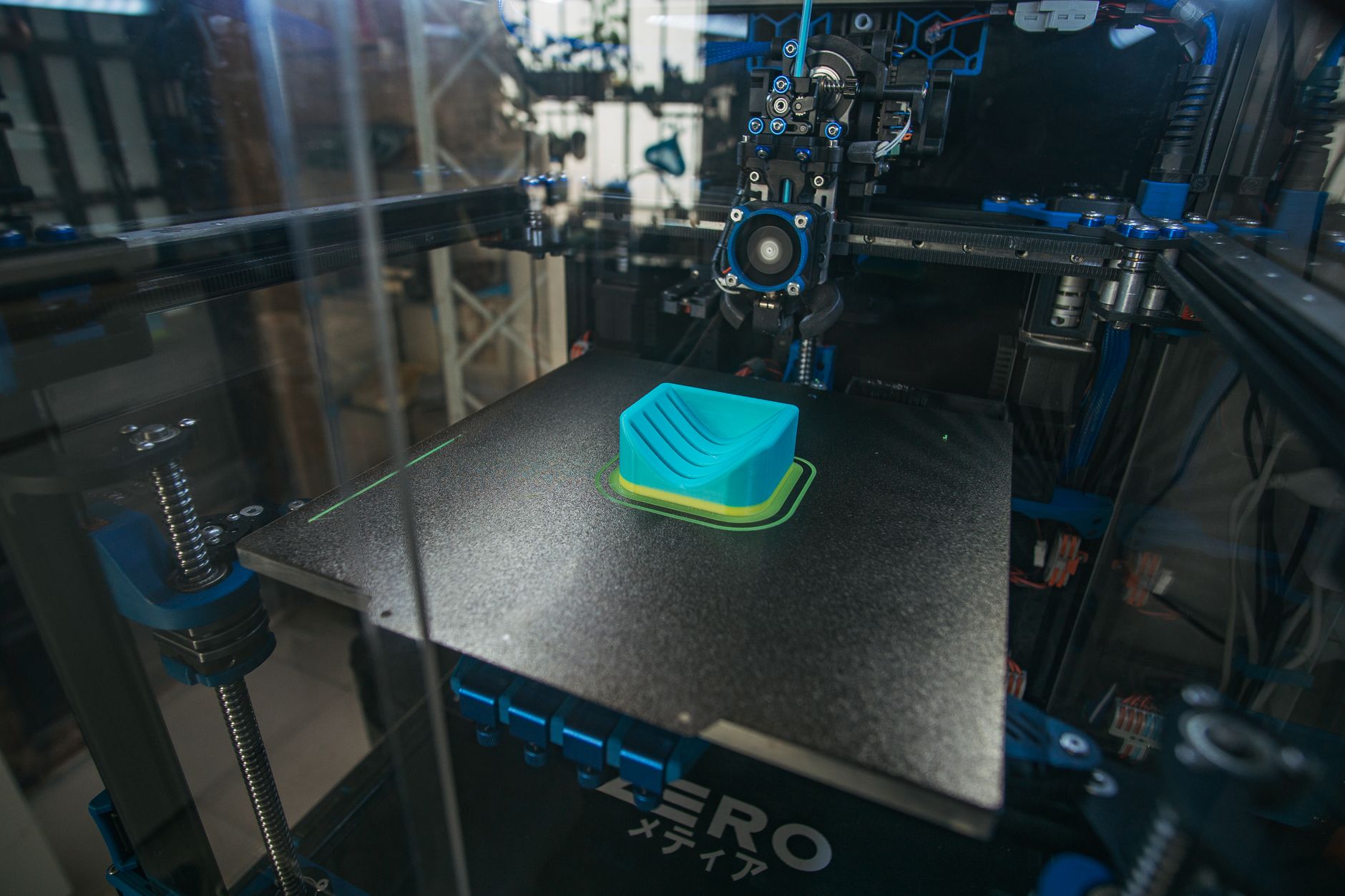
The Fuse 1+ 30W is the machine that made desktop SLS believable. Its build chamber measures 165 by 165 by 300 mm, tall enough for a full bike grip or a nested stack of small enclosures. Layer thickness runs at 110 microns as the standard setting, and the chamber holds roughly 180C, just under nylon 12’s melting point, so surrounding powder props up overhangs with no support structures at all.
Laser power jumped from 10W to 30W in this revision, and that is where the speed gain comes from. A stronger beam scans faster and sinters each layer with fewer passes, so dense builds finish sooner than they did on the original Fuse 1. Formlabs does not quote a linear speed in millimeters per second, because SLS throughput depends on part volume and packing density rather than travel speed.
Materials cover Nylon 12, Nylon 11, TPU 90A, and polypropylene. Pick Nylon 11 when parts need to flex repeatedly, since it handles fatigue far better than the stiffer PA12. Our 3D printing materials guide explains how those two polymers differ below the surface. The Fuse Sift cabinet handles sieving, mixing, and depowdering in one sealed unit, and validated refresh rates land as low as 30 percent, which quietly decides your material bill. Powder, filters, and build platforms are the pieces that show up in retail listings: Check the Formlabs Fuse 1+ 30W on Amazon.
Key strengths:
- ✅ No supports are ever required, because unfused powder holds every overhang and nested part in place
- ✅ 165 x 165 x 300 mm of build volume with 110 micron layers as the standard setting
- ✅ The 30W laser cuts build times noticeably compared with the 10W version of the same machine
- ✅ The Fuse Sift keeps sieving, mixing, and depowdering inside one cabinet instead of across your bench
- ✅ Validated refresh rates near 30 percent keep powder spend under control on repeat jobs
- ❌ Powder and consumables cost several times more per part than FDM filament ever will
- ❌ PreForm and the powder profiles lock you to Formlabs materials with no generic substitutes
- ❌ Needs extraction, PPE, and a dedicated bench, so a spare bedroom is not a realistic home for it
Who it’s for: Product design studios and small service bureaus that need strong nylon parts in short runs without farming the work out.
2. Sinterit Lisa X , Best Desktop SLS on a Tight Budget
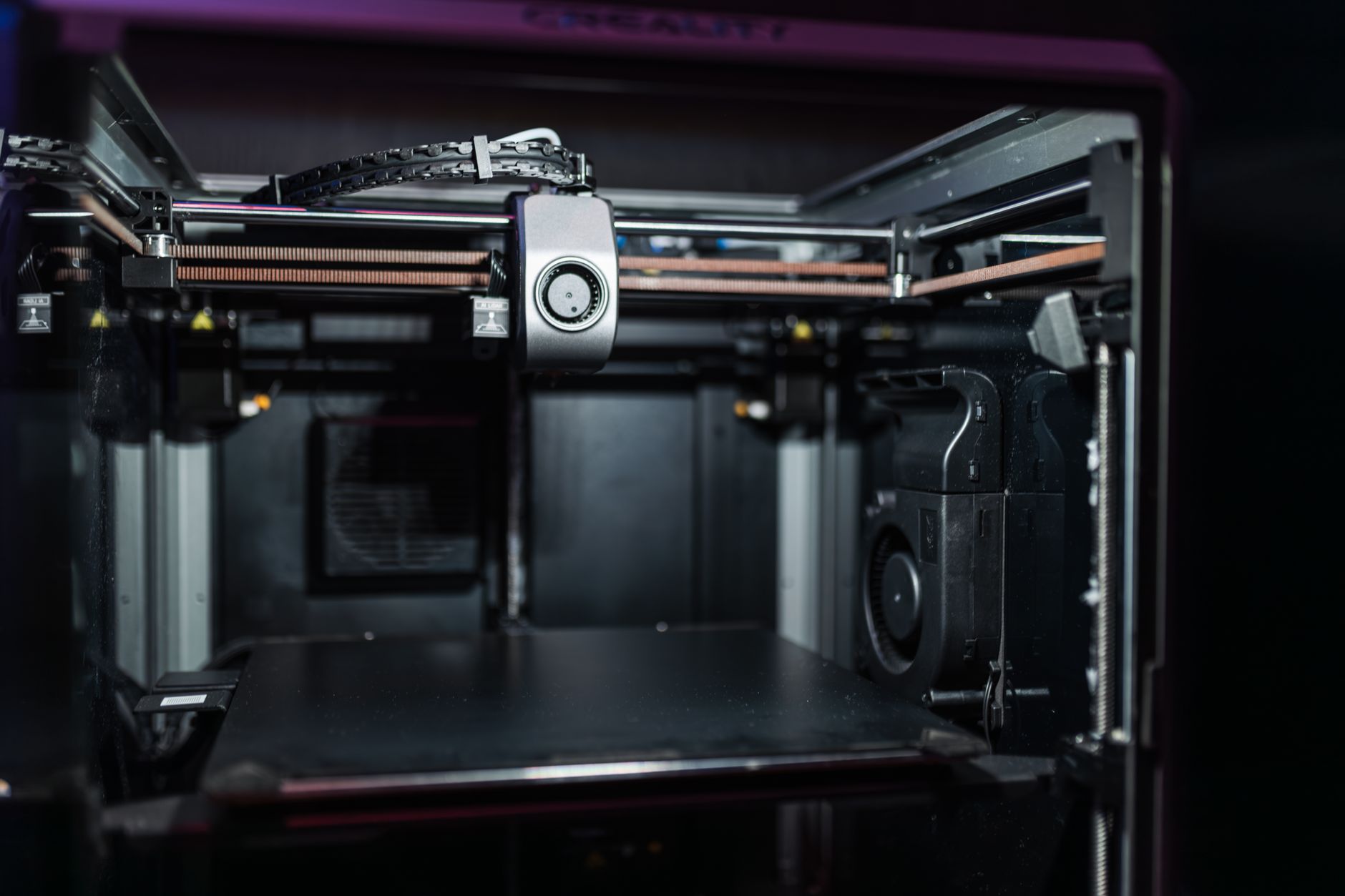
The Lisa X is the affordable way into powder bed printing. Sinterit squeezed a working SLS system into a desktop frame, and the build cylinder measures 130 by 180 by 330 mm. That tall Z axis matters more than the footprint numbers suggest. You can print a forearm-length part standing upright instead of gluing two shorter halves together, and 330 mm of usable height is unusual at this price class.
Layer thickness adjusts from 75 microns up to 175 microns, and 75 micron mode produces noticeably smoother surfaces than the 110 micron default on the Fuse 1+. The chamber preheats to roughly 170C for PA12, with surrounding powder doing all the support work. Sinterit’s powder handling kit covers sieving, mixing, and shot blasting, though you do more of it by hand than you would on a Formlabs setup.
What you give up is throughput and material range. One laser, one material per build, and no automatic powder recycling on the base configuration. Filling and emptying the cylinder is a manual job that takes twenty minutes on either end of a build. For anyone already selling nylon parts, Check the Sinterit Lisa X on Amazon to see what consumables and spares cost.
Key strengths:
- ✅ Lowest entry point into real laser sintering without dropping to a kit build
- ✅ 330 mm of Z height lets you print long parts upright in a single piece
- ✅ 75 micron layer mode delivers visible surface quality gains over 110 micron defaults
- ✅ Desktop footprint fits on a standard workbench with a small extraction hood
- ✅ Supports PA12, PA11, and TPU with validated temperature profiles from the factory
- ❌ Manual sieving and powder handling add real labor hours to every build
- ❌ Single laser and a small XY footprint cap how many parts you can nest per run
- ❌ Material options are narrower than what Formlabs or EOS machines accept
Who it’s for: Small workshops and solo operators who want genuine nylon parts without a five-figure-plus commitment.
3. Sinterit NILS 480 , Best Step Up for Growing Print Farms
The NILS 480 is the machine Sinterit built for people who outgrew a Lisa X. Build volume climbs to 200 by 200 by 330 mm, roughly double the footprint area, and layer thickness still spans 75 to 175 microns. More build area means more nesting, and nesting is where SLS economics actually work. Fill the chamber with 40 small clips and the cost per clip collapses toward the material price.
Chamber temperature for PA12 sits near 180C, and the machine is built to hold that thermal envelope across long unattended runs. Sinterit rates it for higher throughput than the Lisa X through faster scanning and a wider powder bed. Material support covers PA12, PA11, TPU, and glass filled nylon, with third party powders available if you validate them yourself and accept the warranty implications.
Honest downsides: it costs several times what a Lisa X does, it needs a real bench plus extraction, and one laser still caps how fast you can lay down material. Maintenance is not optional on any powder system. Read our 3D printer maintenance guide before you commit, because lens cleaning, filter swaps, and heater checks drive uptime here more than anything else.
Key strengths:
- ✅ 200 x 200 x 330 mm of build volume gives you room for serious part nesting
- ✅ Higher throughput scanning than the Lisa X shortens turnaround on batch work
- ✅ Holds a stable 180C chamber across long unattended builds
- ✅ Accepts PA12, PA11, TPU, and glass filled nylon in the same platform
- ✅ Bigger bed spreads fixed machine time across more parts, dropping unit cost
- ❌ Costs several times a Lisa X and lands in a different budget conversation entirely
- ❌ Still a single laser system, so throughput trails multi-laser industrial hardware
- ❌ Requires dedicated extraction, floor space, and a maintenance routine you cannot skip
Who it’s for: Small print farms and workshops that have outgrown a first SLS machine and need batch capacity without industrial pricing.
4. HP Jet Fusion 4200 , Best Throughput per Square Meter
Strictly speaking this is not laser sintering. HP jets a fusing agent into the powder and sweeps a heat lamp across the bed, which is why the process is called multi jet fusion. The output lands in the same category anyway: fully isotropic nylon with no supports, consistent surface finish, and Z-axis strength that beats most FDM output by a wide margin. Build volume is 380 by 284 by 380 mm with 80 micron layers as the standard setting.
Throughput is the entire pitch. Printheads span the full bed width, so build time scales with stack height instead of part count. Load a chamber 380 mm tall with small brackets and the machine does not care whether there are five parts inside or five hundred. PA12 dominates production work, PA11 covers ductility needs, and third party suppliers now offer TPU and glass filled blends for the platform.
The catch is the consumables. Fusing agent and detailing agent come from HP, cost real money per build, and cannot be swapped for a generic equivalent. Machines are large, usually leased with a service contract, and need compressed air, three phase power, and floor space most small shops simply do not have. If you want to see what fits a smaller room, our large 3D printer roundup covers the alternatives.
Key strengths:
- ✅ 380 x 284 x 380 mm build volume with 80 micron layers as standard
- ✅ Build time depends on stack height, not part count, which is ideal for batch production
- ✅ Isotropic parts need no support removal or orientation compromises
- ✅ Wide material menu includes PA12, PA11, and third party TPU blends
- ✅ Consistent surface finish straight out of the build chamber reduces finishing labor
- ❌ Fusing and detailing agents are proprietary consumables with no generic substitute
- ❌ Machine size, power draw, and service contracts put it out of reach for small shops
- ❌ Requires trained operators and a dedicated production floor to run efficiently
Who it’s for: Production shops and contract manufacturers that need hundreds of identical nylon parts per week at predictable cost.
5. EOS P 396 , Best Industrial SLS Workhorse
The P 396 is the industrial benchmark in this category. Build volume is 340 by 340 by 600 mm, layer thickness runs from 60 to 180 microns, and the chamber holds around 180C under a nitrogen atmosphere for reactive materials. Dual 70W lasers split the scan across the bed, which roughly doubles throughput against a single laser machine of the same size. This is the class of hardware that runs unattended overnight and gets unloaded the next morning.
Powder strategy is where EOS systems earn their keep. Refresh rates vary by material, and a P 396 can run higher recycled content than any desktop machine without losing mechanical properties. The material library is enormous, spanning PA12 and PA11 through glass filled, aluminium filled, and flame retardant nylons. Service bureaus build entire product lines on a single P 396 and never touch another machine.
Cost and footprint are the obvious walls. New units sit in the price range of a house, which is why refurbished examples trade for a fraction of that while burning identical powder. You also need nitrogen supply, a compressor, extractors, and trained operators. A used P 396 with a documented service history is one of the best value plays in additive manufacturing, as long as you can keep it running.
Key strengths:
- ✅ 340 x 340 x 600 mm build volume handles large single parts and dense nesting at once
- ✅ Dual 70W lasers roughly double throughput versus a comparable single laser machine
- ✅ Layer thickness from 60 to 180 microns lets you trade speed against surface finish
- ✅ Enormous validated material library including glass filled and flame retardant nylons
- ✅ Accepts higher recycled powder content, which lowers cost per part on long runs
- ❌ New machines cost more than most small businesses spend on equipment in a decade
- ❌ Requires nitrogen supply, compressed air, extraction, and a trained operator
- ❌ Downtime is expensive, so a service contract or in-house technician is effectively mandatory
Who it’s for: Service bureaus and manufacturers running production volumes where powder cost and uptime decide profitability.
Frequently Asked Questions
What is an SLS 3D printer and how does it work?
An SLS printer sinters nylon powder with a laser, one thin layer at a time, inside a heated chamber. Because unfused powder surrounds the part on all sides, no supports are needed and finished parts behave the same in every direction.
How much does an SLS 3D printer cost?
Desktop systems cost many times a well equipped FDM printer, and industrial machines cost far more than that. Configurations vary widely depending on laser count and powder bundle, so ask resellers for current pricing on the exact setup you need.
What materials can an SLS printer use?
Nylon 12 and nylon 11 cover most work, with TPU, polypropylene, glass filled nylon, and aluminium filled nylon available on larger machines. Each powder needs a validated temperature profile, so material choice is tied to the specific printer.
Do SLS parts need support structures?
No. The surrounding powder holds every overhang in place, so you can nest parts tightly and print geometry that would collapse or need breakaway supports on an FDM machine.
Is SLS faster than FDM?
Per part, usually yes. Build time depends on the height of the powder stack rather than the number of parts inside it, so a chamber packed with hundreds of small brackets takes barely more machine time than a single bracket.
Can I run an SLS printer at home?
Desktop units fit on a bench, but powder handling requires gloves, a respirator, and strong extraction. Most owners put these machines in a workshop or garage rather than a living space.
What Should You Remember?
- No supports needed. SLS parts sit in unfused powder, so overhangs, nested builds, and interlocking geometry print without any added material.
- Build volume sets your batch size. The Formlabs Fuse 1+ 30W offers 165 x 165 x 300 mm, while the EOS P 396 reaches 340 x 340 x 600 mm.
- Layer resolution spans 60 to 180 microns. Finer layers smooth the surface but slow the build, and most production work runs between 100 and 120 microns.
- Refresh rate is the hidden cost. A machine validated at 30 percent virgin powder costs far less to run than one demanding 50 percent.
- Chamber temperature matters more than laser wattage. Nylon 12 needs roughly 180C to sinter cleanly, so the heater and insulation define part quality.
- Post-processing is mandatory. Every sintered part needs bead blasting at minimum, and dyed or smoothed finishes add real labor.
- Used industrial machines are the bargain. A refurbished EOS P 396 costs a fraction of a new unit while burning the same powder.
This article is for general information only. Always follow your printer manufacturer’s guidelines and material safety data sheets (MSDS) for safe operation.